Jeremy Abramson, MD, MMSC
Professor of Medicine
Harvard Medical School
Director, Jon and Jo Ann Hagler Center for Lymphoma
Massachusetts General Hospital
Boston, MA
Sikander Ailawadhi, MD
Professor of Medicine
Consultant, Division of Hematology/Oncology
Associate Director, Myeloma, Amyloidosis and Dysproteinemia Disease Group
Enterprise Deputy Director, International Cancer Program
Medical Director, International Advisory Services
Mayo Clinic
Jacksonville, FL
Syed Abbas Ali, MBBS
Assistant Professor of Oncology
Sidney Kimmel Comprehensive Cancer Center
Johns Hopkins University
Baltimore, MD
Taha Al-Juhaishi, MD
Assistant Professor of Medicine
Associate Director, Hematopoietic Stem Cell Transplantation and Cell Therapy Program
Associate Program Director, Hematology and Oncology Fellowship
The University of Oklahoma
Oklahoma City, OK
Hanny Al-Samkari, MD
Associate Professor of Medicine
Harvard Medical School
The Peggy S. Blitz Endowed Chair in Hematology/Oncology
Co-Director, Hereditary Hemorrhagic Telangiectasia Center of Excellence
Massachusetts General Hospital
Boston, MA
David Avigan, MD
Professor of Medicine
Harvard Medical School
Director, Beth Israel Deaconess Medical Cancer Center
Chief of Division of Hematology and Hematologic Malignancies
Beth Israel Deaconess Medical Center
Boston, MA
Emily Ayers, MD
Assistant Professor of Medicine, Hematology-Oncology
The University of Virginia Health
Charlottesville, VA
Muhamed Baljevic, MD, FACP
Associate Professor of Medicine
Division of Hematology Oncology
Vanderbilt University Medical Center
Director, Multiple Myeloma Program
Director, Vanderbilt Amyloidosis Multidisciplinary Program (VAMP)
Co-chair, VICC Protocol Review and Monitoring System
Vanderbilt-Ingram Cancer Center
Nashville, TN
Jacqueline Barrientos, MD, MS
Chief, Hematologic Malignancies
Director, Oncology Research
Mount Sinai Medical Center
Adjunct Professor of Medicine
Zucker School of Medicine at Hofstra/Northwell
Adjunct Associate Professor
Feinstein Institutes for Medical Research
Miami Beach, FL
Fahmin Basher, MD, PhD
Medical Instructor, Department of Medicine
Division of Hematologic Malignancies and Cellular Therapy
Duke University Medical Center
Durham, NC
Eden Biltibo, MD, MS
Assistant Professor, Department of Medicine
Division of Hematology and Oncology
Vanderbilt University Medical Center
Nashville, TN
Elizabeth A. Brem, MD
Associate Clinical Professor of Medicine
Division of Hematology/Oncology
Department of Medicine
University of California, Irvine School of Medicine
UCI Health Chao Family Comprehensive Cancer Center
Orange, CA
Onyee Chan, MD
Associate Professor, Department of Oncologic Sciences
University of South Florida
Associate Member, Department of Malignant Hematology
H. Lee Moffitt Cancer Center
Tampa, FL
Evan C. Chen, MD
Clinical Investigator and Attending Physician
Adult Leukemia Program
Dana-Farber Cancer Institute
Instructor in Medicine
Harvard Medical School
Boston, MA
Diana Cirstea, MD
Instructor in Medicine
Harvard Medical School
Attending Physician, Center for Multiple Myeloma
Massachusetts General Hospital
Boston, MA
Adam Cohen, MD
Associate Professor of Medicine, Hematology-Oncology
Director, Myeloma Immunotherapy
Co-Director, Amyloidosis Program
Member, Abramson Cancer Center
Hospital of the University of Pennsylvania
Philadelphia, PA
Christopher D’Angelo, MD, MS
Assistant Professor, Department of Medicine
Division of Hematology
University of Nebraska Medical Center
Omaha, NE
Alexey Danilov, MD, PhD
Marianne and Gerhard Pinkus Professor, Early Clinical Therapeutics
Medical Director, Early Phase Therapeutics Program for the Systems Clinical Trials Office
Co-Director, Toni Stephenson Lymphoma Center
Disease Team Leader, Lymphoma
Professor, Department of Hematology
Director, Hematopoietic Tissue Repository (Lymphoma)
City of Hope
Duarte, CA
Lorenzo Falchi, MD
Assistant Professor
Weill Cornell Medical College
Assistant Attending Physician
Memorial Sloan Kettering Cancer Center
New York, NY
Yngvar Fløisand, MD, PhD
Head Physician
Oslo University Hospital
Oslo, Norway
Matthew Frank, MD, PhD
Assistant Professor of Medicine
Division of BMT and Cellular Therapy
Stanford University
Stanford, CA
Siddhartha Ganguly, MD, FACP
Professor of Clinical Medicine
Weill Cornell Medical College
Adjunct Professor
Baylor College of Medicine
Professor of Clinical Medicine
Carol Cockrell Curran Distinguished Centennial Chair of Hematologic Oncology
Associate Director for Clinical Investigation and Research
Section Chief, Hematological Malignancy
Houston Methodist Hospital and Neal Cancer Center
Houston, TX
David Russler-Germain, MD, PhD
Instructor, Division of Oncology
Siteman Cancer Center
Washington University School of Medicine
St. Louis, MO
Irene Ghobrial, MD
Professor of Medicine
Harvard Medical School
Director, Center for Early Detection and Interception of Blood Cancers
Director, Clinical Investigator Research Program
Lavine Family Chair for Preventative Cancer Therapies
Dana-Farber Cancer Institute
Boston, MA
Nilanjan Ghosh, MD, PhD
Professor, Cancer Medicine
Wake Forest University School of Medicine
Chief, Lymphoma Division
Atrium Health Levine Cancer Institute
Charlotte, NC
James Ignatz-Hoover, MD, PhD
Assistant Professor of Medicine
Case Western Reserve University School of Medicine
Hematologist/Oncologist
University Hospitals Seidman Cancer Center
Cleveland, OH
Hitomi Hosoya, MD, PhD
Staff Physician
Cedars-Sinai
Los Angeles, CA
Prioty Islam, MD, MSc
Clinical Director, Leukemia Service
Assistant Attending Physician
Memorial Sloan Kettering Cancer Center
New York, NY
Nitin Jain, MD
Professor of Medicine
Director, Cellular Therapy Program
Department of Leukemia
Division of Cancer Medicine
The University of Texas MD Anderson Cancer Center
Houston, TX
Wei Ying Jen, MA, BM BCh, M Med, MRCP, FRCPath
Assistant Professor, Department of Leukemia
The University of Texas MD Anderson Cancer Center
Houston, TX
Patrick Connor Johnson, MD
Assistant Professor in Medicine
Harvard Medical School
Clinical Assistant in Medicine
Massachusetts General Hospital
Boston, MA
Thomas J. Kipps, MD, PhD
Distinguished Professor of Medicine
Evelyn and Edwin Tasch Chair in Cancer Research
Director, Center for Novel Therapeutics
Co-Director, Hematology Malignancy Program
Moores Cancer Center
University of California, San Diego
San Diego, CA
David Kuter, MD, Dphil
Professor of Medicine
Harvard Medical School
Distinguished Physician
Massachusetts General Hospital
Boston, MA
Nicole Lamanna, MD
Associate Clinical Professor of Medicine
Columbia University Irving Medical Center
New York, NY
Daniel Landsburg, MD
Associate Professor of Clinical Medicine, Division of Hematology/Oncology
Perelman School of Medicine
Medical Director for Infusion Services
Physician Leader of Oncology Clinical Effectiveness Team
Hospital of the University of Pennsylvania
Philadelphia, PA
Brea Lipe, MD
Professor
Department of Medicine, Hematology/Oncology
Clinical Director, Multiple Myeloma Program
Wilmot Cancer Institute
University of Rochester Medical Center
Rochester, NY
Andrew Lipsky, MD
Assistant Professor of Medicine
Division of Hematology and Oncology
Columbia University Irving Medical Center
New York, NY
Shella Saint Fleur Lominy MD, PhD
Associate Professor
Chair, UMGCCC Data Safety Monitoring Review Board
Member, Cancer Therapeutics Program
Marlene & Stewart Greenebaum Comprehensive Cancer Center
University of Maryland
Baltimore, MD
Sagar Lonial, MD, FACP
Chair and Professor
Department of Hematology and Medical Oncology
Anne and Bernard Gray Family Chair in Cancer
Emory University School of Medicine
Chief Medical Officer
Winship Cancer Institute of Emory University
Atlanta, GA
Marlise Luskin, MD, MSCE
Associate Professor of Medicine
Harvard Medical School
Senior Physician
Associate Program Director, Hematology/Oncology Fellowship Program
Educational Director, Adult Leukemia Program
Dana-Farber Cancer Institute
Boston, MA
Jaroslaw Maciejewski, MD, PhD, FACP
Professor
Cleveland Clinic Lerner College of Medicine
Chairman, Department of Translational Hematology and Oncology Research
Cleveland Clinic Taussig Cancer Institute
Member, Cancer Genomics and Epigenomics Program
Case Comprehensive Cancer Center
Cleveland, OH
Ehsan Malek, MD
Associate Professor of Medicine
State University of New York at Buffalo
Associate Professor of Oncology
Roswell Park Comprehensive Cancer Center
Buffalo, NY
John Mckay, DO
Assistant Professor
Department of Hematology and Oncology
Wake Forest University School of Medicine
Winston Salem, NC
Christopher Melani, MD
Associate Research Physician
Clinical Director, Lymphoid Malignancies Branch
National Cancer Institute
National Institutes of Health
Bethesda, MD
Megan Melody, MD
Hematologist/Oncologist
Tampa General Hospital Cancer Center
Tampa, FL
Akil Merchant, MD
Associate Professor
Co-Director, Lymphoma Program
Director, Spatial Molecular Profiling Core
Staff Physician, Regenerative Medicine Institute
Cedars-Sinai
Los Angeles, CA
Roberto Mina, MD
Assistant Professor
Department of Hematology and Medical Oncology
Emory University School of Medicine
Winship Cancer Institute of Emory University
Atlanta, GA
Tarek Mouhieddine, MD
Instructor in Medicine
Harvard Medical School
Attending Physician & Clinical Investigator
Division of Plasma Cell Neoplasias
Dana-Farber Cancer Institute
Boston, MA
Lakshmi Nayak, MD
Associate Professor of Neurology
Harvard Medical School
Director, Center for CNS Lymphoma
Director of Research, Center for NeuroOncology
Senior Physician
Dana-Farber Cancer Institute
Boston, MA
Natalia Neparidze, MD
Associate Professor of Internal Medicine, Hematology
Research Leader, Myeloma Program, Hematology
Yale University School of Medicine
Smilow Cancer Hospital
New Haven, CT
Ariela Noy, MD
Professor of Medicine
Weill-Cornell Medical College
Attending Physician and Member, Lymphoma Service
Memorial Sloan Kettering Cancer Center
New York, NY
Daniel O’Leary, MD
Assistant Professor, Division of Hematology, Oncology and Transplantation
The University of Minnesota
Minneapolis, MN
Zulfa Omer, MD
Assistant Professor of Clinical
University of Cincinnati
Cincinnati, OH
Barry Paul, MD
Assistant Professor of Cancer Medicine
Wake Forest University School of Medicine
Section of Plasma Cell Disorders, Division of Hematology
Atrium Health Levine Cancer Institute
Member
Atrium Health Wake Forest Baptist Comprehensive Cancer Center
Charlotte, NC
Romanos Sklavenitis Pistofidis, MD, PhD
Founder, Predicta Biosciences
Cambridge, MA
Assistant Professor, Department of Integrative Translational Sciences
Judy & Bernard Briskin Center for Multiple Myeloma Research, Beckman Research Institute
Assistant Professor, Irell & Manella Graduate School of Biological Sciences
Adjunct Assistant Professor, Division of Clinical Genomics and Therapeutics
Translational Genomics Research Institute
City of Hope
Duarte, CA
Shambavi Richard, MD
Associate Professor of Medicine
Director of Myeloma CAR-T Research Program and Stem Cell Transplant
Tisch Cancer Institute
Icahn School of Medicine at Mount Sinai
New York, NY
Jacalyn Rosenblatt, MD
Associate Professor in Medicine
Harvard Medical School
Attending Physician
Associate Chief, Division of Hematology and Hematological Malignancies
Medical Director, Cellular Immunotherapy Cell Manipulation Facility
Beth Israel Deaconess Medical Center
Boston, MA
David Sallman, MD
Associate Professor, Department of Oncologic Sciences
University of South Florida
Associate Member
Leukemia Section Head
Department of Malignant Hematology
H. Lee Moffitt Cancer Center and Research Institute
Tampa, FL
Bijal Shah, MD, MS
Professor, Department of Oncologic Sciences
University of South Florida
Senior Member
Clinical Research Medical Director, Malignant Hematology
H Lee Moffitt Cancer Center
Tampa, FL
Mansi Shah, MD
Associate Professor of Medicine
Clinical Director of Multiple Myeloma
Rutgers Cancer Institute
New Brunswick, NJ
Aditi Shastri, MBBS
Associate Professor
Department of Oncology
Department of Medicine
Department of Developmental & Molecular Biology
Montefiore Einstein Comprehensive Cancer Center
Albert Einstein College of Medicine
Bronx, NY
Ariel Siegel, MD
Hematology-Oncology Fellow
Icahn School of Medicine at Mount Sinai
New York, NY
David Siegel, MD, PhD
Founding Director
Multiple Myeloma Institute
Center for Discovery & Innovation
Chief, Myeloma Division
The John Theurer Cancer Center
Hackensack University Medical Center
Hackensack, NJ
Andrea Sitlinger, MD
Assistant Professor of Medicine
Duke University Health
Vice Chair of Clinical Operations for HMCT
Medical Director for Outpatient Malignant Hematology Clinic
Associate Program Director Hematology/Oncology Fellowship
Hematologic Malignancies and Cellular Therapy
Duke Cancer Institute
Durham, NC
Michael Spinner, MD
Clinical Assistant Professor of Medicine
Hematology, Blood & Marrow Transplant, and Cellular Therapy
UCSF Helen Diller Family Comprehensive Cancer Center
San Francisco, CA
Anthony Stack, DO
Assistant Professor
Department of Bone Marrow Transplant & Cellular Therapies
Fox Chase Cancer Center at Temple University Hospital
Philadelphia, PA
Jakub Svoboda, MD
Associate Professor of Medicine
Co-Chair, Lymphoma Tumor Board and Case Conference
Member, Data Safety Monitoring Committee
Abramson Cancer Center
Hospital of the University of Pennsylvania
Philadelphia, PA
Amit Verma, MD
Professor, Medicine, Oncology, Developmental and Molecular Biology
Director, Division of Hemato-Oncology
Susan Resnick Fisher Academic Chair in Brain Cancer Research
Interim Chairman, Department of Oncology
Albert Einstein College of Medicine
Associate Director, Translation
Co-Leader, Cell Growth & Differentiation Program
Montefiore Einstein Comprehensive Cancer Center
Bronx, NY
Michael Williams, MD
Byrd S. Leavell Professor of Medicine
Professor of Pathology
The University of Virginia School of Medicine
Charlottesville, VA
Andrew Yee, MD
Assistant Professor of Medicine
Harvard Medical School
Clinical Director, Center for Multiple Myeloma
Massachusetts General Hospital
Boston, MA
Jasmine Zain, MD
Attending Physician
Memorial Sloan Kettering Cancer Center
New York, NY
Joshua Zeidner, MD
Associate Professor of Medicine
Chief, Leukemia Research
Associate Chief of Research, Hematology
Director, Clinical Cancer Research Commercial Integration
UNC Lineberger Comprehensive Cancer Center
The University of North Carolina School of Medicine
Chapel Hill, NC
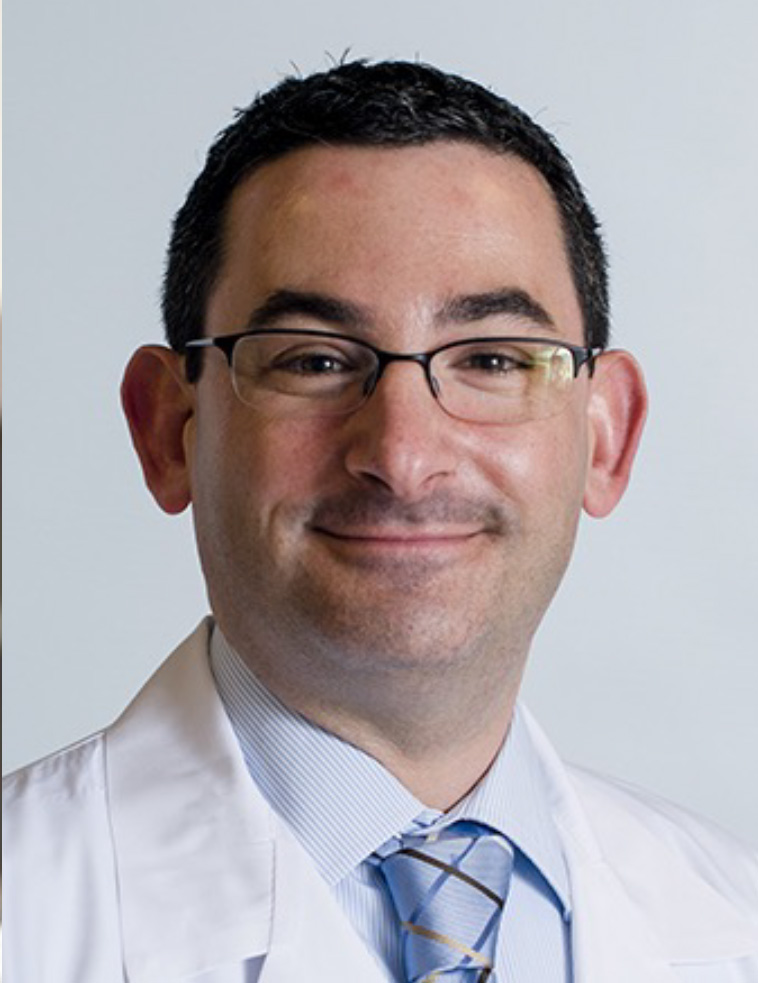
Jeremy Abramson, MD, MMSC
Professor of Medicine
Harvard Medical School
Director, Jon and Jo Ann Hagler Center for Lymphoma
Massachusetts General Hospital
Boston, MA
Dr. Jeremy Abramson, MD, MMSC, is Professor of Medicine at Harvard Medical School and Director of the Center for Lymphoma at the Mass General Cancer Center. Dr. Abramson earned his medical degree from the Mount Sinai School of Medicine in New York City and a Masters Degree in Medical Sciences from Harvard Medical School. He completed a residency in Internal Medicine at the Massachusetts General Hospital in Boston, followed by a fellowship in Hematology and Oncology at the Dana-Farber Cancer Institute.
Dr. Abramson specializes in lymphoid malignancies, encompassing all forms of non-Hodgkin lymphoma, Hodgkin lymphoma, and chronic lymphoid leukemias. His research focuses on discovering new therapeutic targets for these diseases and developing clinical trials for innovative cancer treatments and cellular immunotherapies. He is an active member of the American Society of Hematology, the American Society of Clinical Oncology, and a Fellow of the American College of Physicians. A prolific author, he has contributed extensively to papers and book chapters on lymphoma and is a frequent speaker at professional conferences.
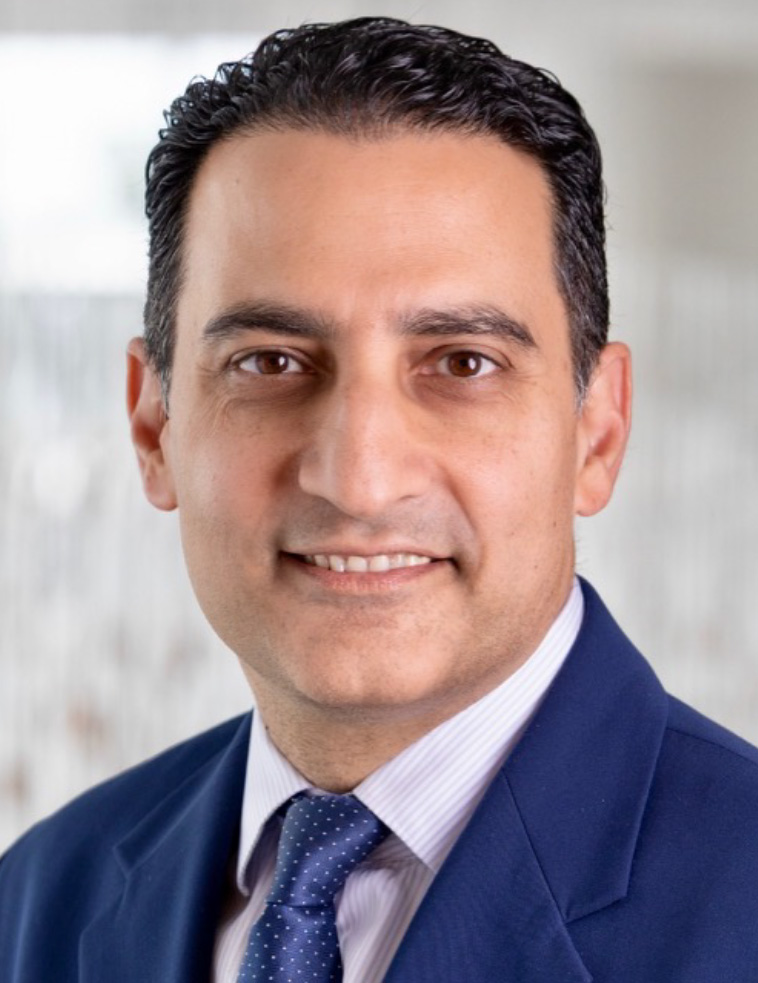
Sikander Ailawadhi, MD
Professor of Medicine
Consultant, Division of Hematology/Oncology
Associate Director, Myeloma, Amyloidosis and Dysproteinemia Disease Group
Enterprise Deputy Director, International Cancer Program
Medical Director, International Advisory Services
Mayo Clinic
Jacksonville, FL
Dr. Sikander Ailawadhi, MD, is a Professor with the Division of Hematology-Oncology at Mayo Clinic in Jacksonville. His career focus has been on the treatment of plasma cell disorders, with core research efforts in understanding the epidemiology and pathophysiology of these disorders, evaluating the benefit of various therapeutic strategies in different populations based on racial-ethnic and socioeconomic diversity, as well as developing novel therapeutics through conducting several phase 1 through phase 3 clinical trials for novel drugs, including cellular therapies. He serves as the Vice Chair for CTEP’s SWOG Myeloma Committee and is a member of NCI’s Myeloma Steering Committee. Dr. Ailawadhi also leads Cancer for Mayo Clinic International (MCI) and is the Medical Director of International Advisory Services (IAS) for MCI, with a focus on expanding and implementing the Mayo model of care and vision across the world.
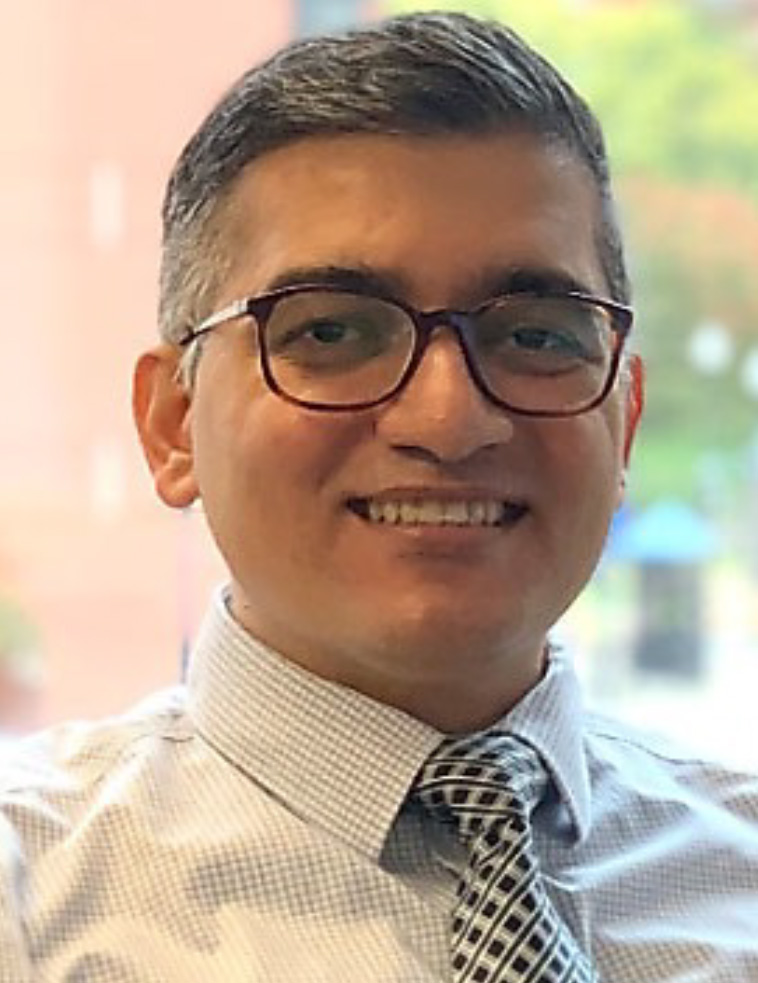
Syed Abbas Ali, MBBS
Assistant Professor of Oncology
Sidney Kimmel Comprehensive Cancer Center
Johns Hopkins School of Medicine
Baltimore, MD
Dr. Syed Abbas Ali, MBBS, is an Assistant Professor of Oncology Johns Hopkins University. He earned his MBBS from The Aga Khan University and completed his residency at the University of Arkansas for Medical Sciences, followed by a fellowship in Medical Oncology at the National Institutes of Health. Dr. Ali’s research focuses on plasma cell disorders such as multiple myeloma.
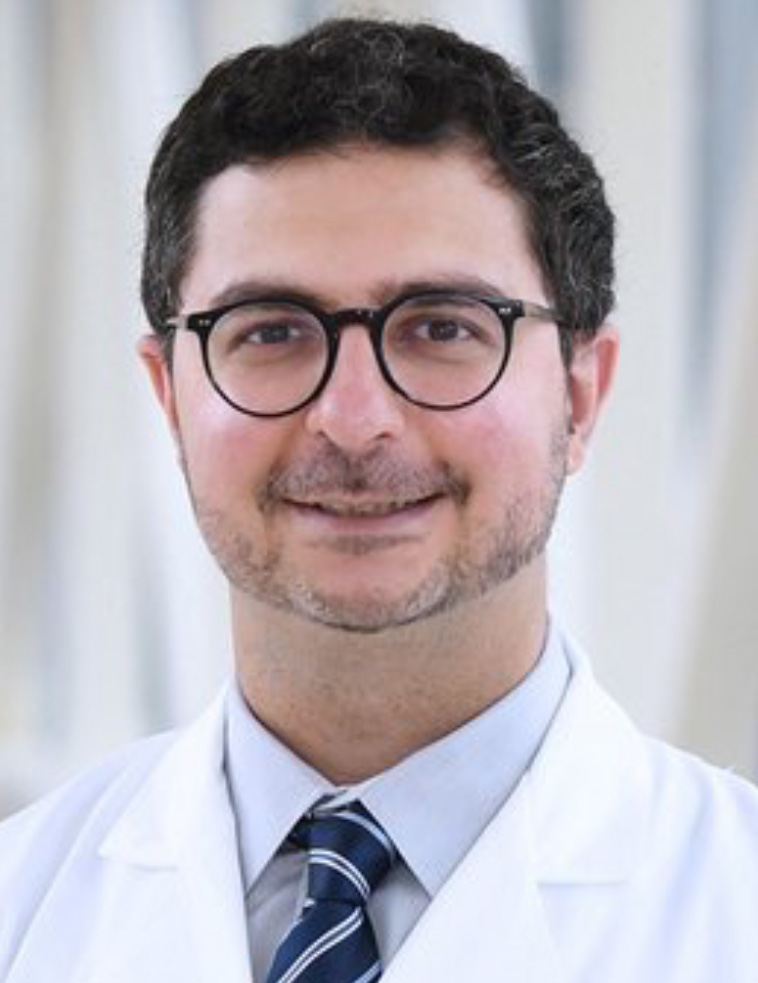
Taha Al-Juhaishi, MD
Assistant Professor of Medicine
Associate Director, Hematopoietic Stem Cell Transplantation and Cell Therapy Program
Associate Program Director, Hematology and Oncology Fellowship
The University of Oklahoma
Oklahoma City, OK
Dr. Taha Al-Juhaishi, MD, MBA, is an Assistant Professor of Medicine and Associate Director of the Hematopoietic Stem Cell Transplantation and Cell Therapy Program. He earned his Doctor of Medicine from Weill Cornell Medicine, Qatar and completed his residency in Internal Medicine at Virginia Commonwealth University. He subsequently completed a fellowship in Hematology/Oncology at Virginia Commonwealth University, followed by a fellowship in Stem Cell Transplantation and Cellular Therapies at The University of Texas MD Anderson Cancer Center. Dr. Al-Juhaishi’s clinical and research interests focus on hematopoietic stem cell transplantation, cell therapies including CAR-T and tumor-infiltrating lymphocyte (TIL) therapies, drug development in hematologic malignancies, and outcomes research.
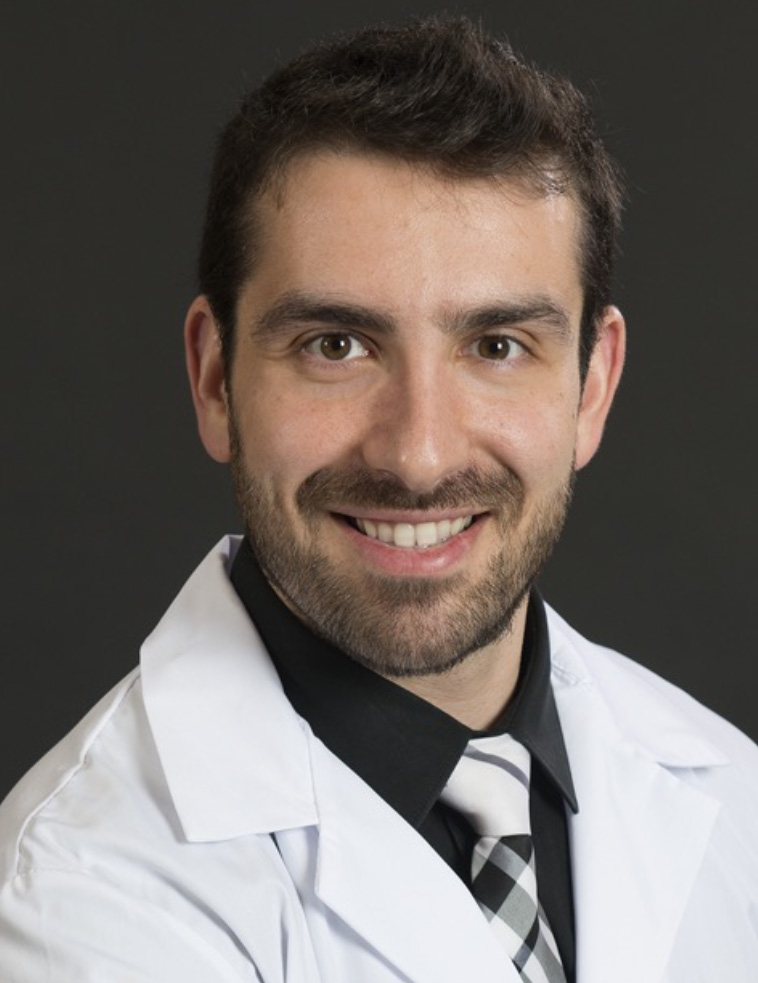
Hanny Al-Samkari, MD
Associate Professor of Medicine
Harvard Medical School
The Peggy S. Blitz Endowed Chair in Hematology/Oncology
Co-Director, Hereditary Hemorrhagic Telangiectasia Center of Excellence
Massachusetts General Hospital
Boston, MA
Dr. Hanny Al-Samkari, MD, is the Peggy S. Blitz Endowed Chair in Hematology/Oncology at Massachusetts General Hospital and an Associate Professor of Medicine at Harvard Medical School. He is a classical hematologist, NIH-funded clinical investigator, and clinical trialist. He also serves as Co-Director of the MGH Hereditary Hemorrhagic Telangiectasia (HHT) Center of Excellence. His clinical and research interests are in hemostasis, thrombosis and hemolysis, with focuses in HHT, thrombocytopenias, and hemolytic anemias.
As a clinical investigator, Dr. Al-Samkari is an internationally recognized expert in the clinical development of novel therapeutics for these disorders and serves as the lead principal investigator for multiple ongoing clinical trials. He is a current Associate Editor of the American Journal of Hematology, a leading international hematology journal, and the Journal of Thrombosis and Haemostasis, the flagship journal of the International Society on Thrombosis and Haemostasis. He has published over 200 peer-reviewed manuscripts. His original research has been featured in The New England Journal of Medicine, The Lancet, Annals of Internal Medicine and Blood, among other top peer-reviewed journals in hematology and medicine.
David Avigan, MD
Professor of Medicine
Harvard Medical School
Director, Beth Israel Deaconess Medical Cancer Center
Chief of Division of Hematology and Hematologic Malignancies
Beth Israel Deaconess Medical Center
Boston, MA
Dr. David Avigan, MD, is a Professor of Medicine at Harvard Medical School and Chief of the Division of Hematology and Hematologic Malignancies at Beth Israel Deaconess Medical Center. He earned his medical degree from Yale University School of Medicine and completed his residency in Internal Medicine at Columbia Presbyterian Medical Center, followed by a fellowship in Hematology/Oncology at Memorial Sloan-Kettering Cancer Center.
Dr. Avigan has established a translational research program for cancer vaccines at BIDMC as part of the Dana Farber Harvard Cancer Center. Laboratory efforts have focused on the development of dendritic cell-based vaccines including a model in which patient derived tumor cells are fused with dendritic cells as a novel patient specific vaccine. Based on these findings, he has supervised a series of clinical trials to examine the immunologic and clinical efficacy of this vaccine strategy for patients with hematologic malignancies and solid tumors. His work has been supported by grants from the National Cancer Institute, National Institutes of Health, Department of Defense, Leukemia and Lymphoma Society, and Multiple Myeloma Research Foundation.
Emily Ayers, MD
Assistant Professor of Medicine, Hematology-Oncology
The University of Virginia Health
Charlottesville, VA
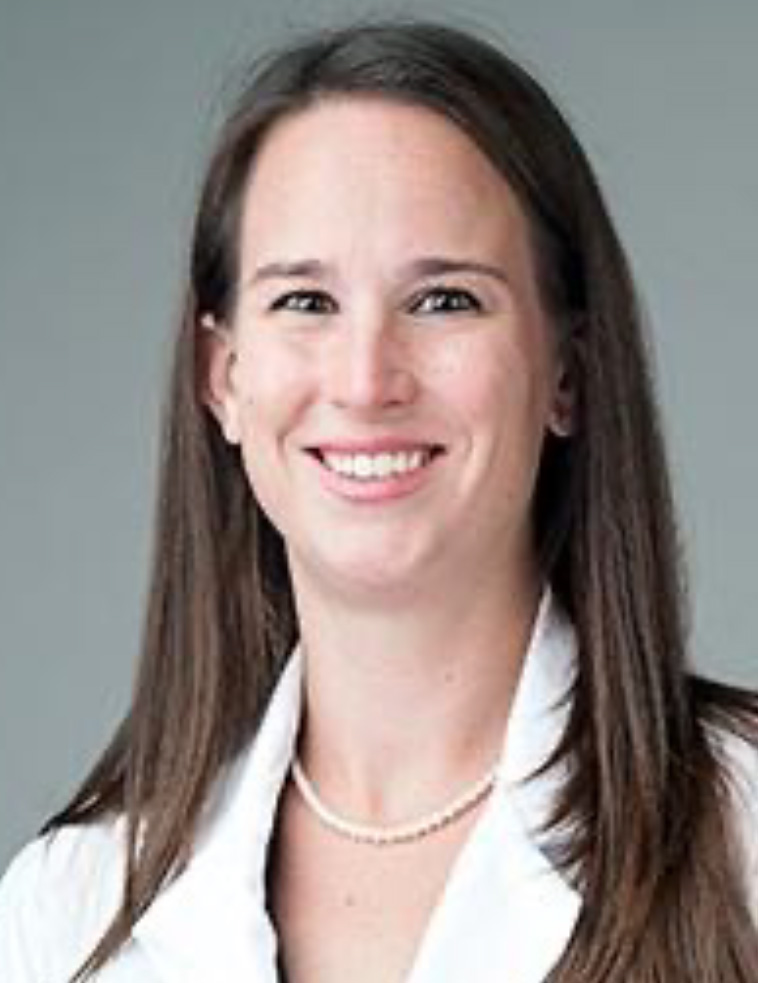
Dr. Emily Ayers, MD, is an Assistant Professor at UVA Health and an oncologist who specializes in caring for blood cancers, including lymphoma and chronic lymphocytic leukemia (CLL). She earned her medical degree from the Columbia University College of Physicians and Surgeons and completed her residency at the Perelman School of Medicine at the University of Pennsylvania, followed by a fellowship at the Hospital of the University of Pennsylvania.
Dr. Ayers’ research focuses on developing novel treatments for patients with diffuse large B-cell lymphoma that is resistant to therapy. She is also interested in using real-world evidence and real-world data to study outcomes among patients with relapsed or refractory B-cell lymphomas and to identify predictors of response to novel agents in this patient population, as well as in clinical trials for patients with lymphoma and chronic lymphocytic leukemia.
Muhamed Baljevic, MD, FACP
Associate Professor of Medicine
Division of Hematology Oncology
Vanderbilt University Medical Center
Director, Multiple Myeloma Program
Director, Vanderbilt Amyloidosis Multidisciplinary Program (VAMP)
Co-chair, VICC Protocol Review and Monitoring System
Vanderbilt-Ingram Cancer Center
Nashville, TN
Dr. Muhamed Baljevic, MD, FACP, is a hematologist and medical oncologist who joined Vanderbilt University Medical Center as faculty in the Department of Medicine in 2021. He is the director of the Multiple Myeloma Program and the Vanderbilt Amyloidosis Multidisciplinary (VAMP) Programs, and also serves as the disease team lead for plasma cell dyscrasias and lymphomas.
His clinical and research interests are in the field of multiple myeloma (MM), AL Amyloidosis, and other plasma cell disorders. His investigative focus is on better understanding the mechanisms of proteasome inhibitor resistance, the importance of augmented post-transplant immune reconstitution in transplant recipients, and the role genomic events, such as chromosomal alterations and gene mutations, play in the transformation of premalignant plasma cell conditions to plasma cell malignant states. As an institutional cellular therapy investigator in plasma cell malignancies, he aims to explore novel mechanistic approaches in the treatment of high unmet needs in relapsed and refractory MM and AL Amyloidosis, including those patients with multiclass-resistant or refractory disease. Some of his recent recognitions include the 2014 Celgene Future Leaders in Hematology Award for Clinical Research and the 2015 ASCO/AACR Workshop on Methods in Clinical Cancer Research. He is the author of several dozen publications and book chapters on various hematologic malignancies.
Dr. Baljevic earned his medical degree from Weill Cornell Medicine–Qatar, completed his residency in internal medicine at Weill Cornell Medical Center, and pursued his fellowship in hematology and medical oncology at the University of Texas MD Anderson Cancer Center.
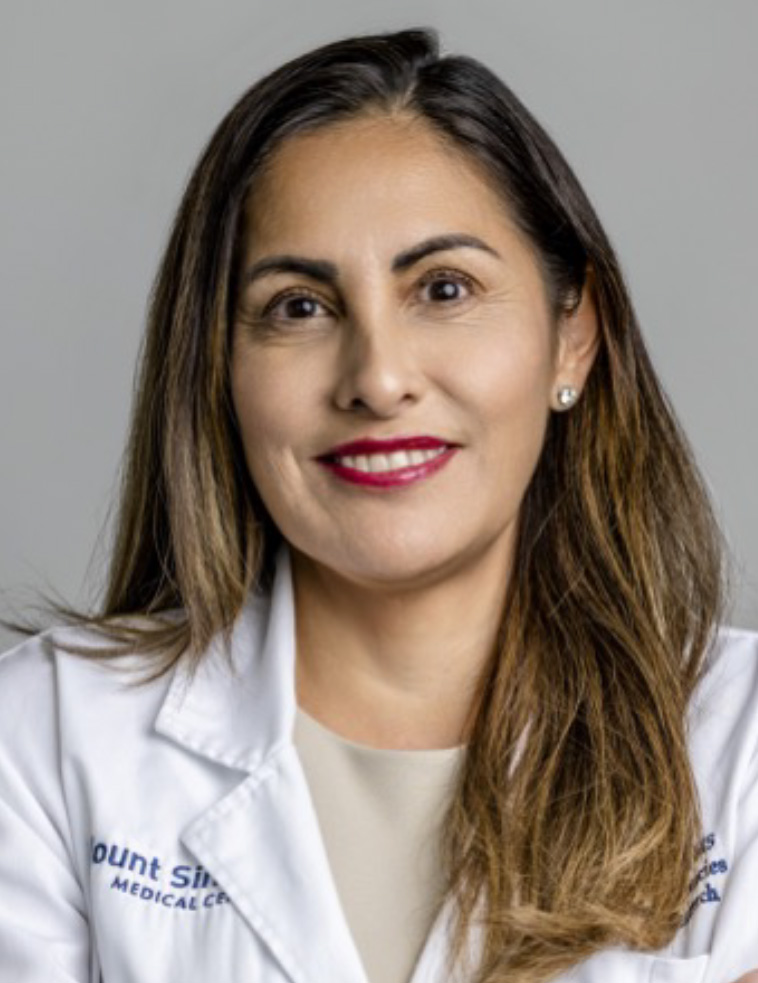
Jacqueline Barrientos, MD, MS
Chief, Hematologic Malignancies
Director, Oncology Research
Mount Sinai Medical Center
Adjunct Professor of Medicine
Zucker School of Medicine at Hofstra/Northwell
Adjunct Associate Professor
Feinstein Institutes for Medical Research
Miami Beach, FL
Dr. Jacqueline C. Barrientos, MD, MS, is an internationally recognized hematologist, specializing in lymphoid malignancies. She is the Chief of Hematological Malignancies at Mount Sinai Medical Center in Miami Beach, where she leads clinical and translational research programs aimed at improving therapeutic strategies and long-term outcomes for patients with hematologic cancers.
Dr. Barrientos has authored and co-authored over a hundred peer-reviewed publications, book chapters, and invited reviews, and she is a frequent speaker at national and international conferences. Throughout her research trajectory, Dr. Barrientos has served as the principal investigator on numerous landmark clinical trials that contributed to the development and approval of several targeted agents, including BTK and BCL2 inhibitors. Her academic contributions also include mentorship of fellows and junior faculty, along with active involvement in initiatives promoting diversity and equity in clinical research.
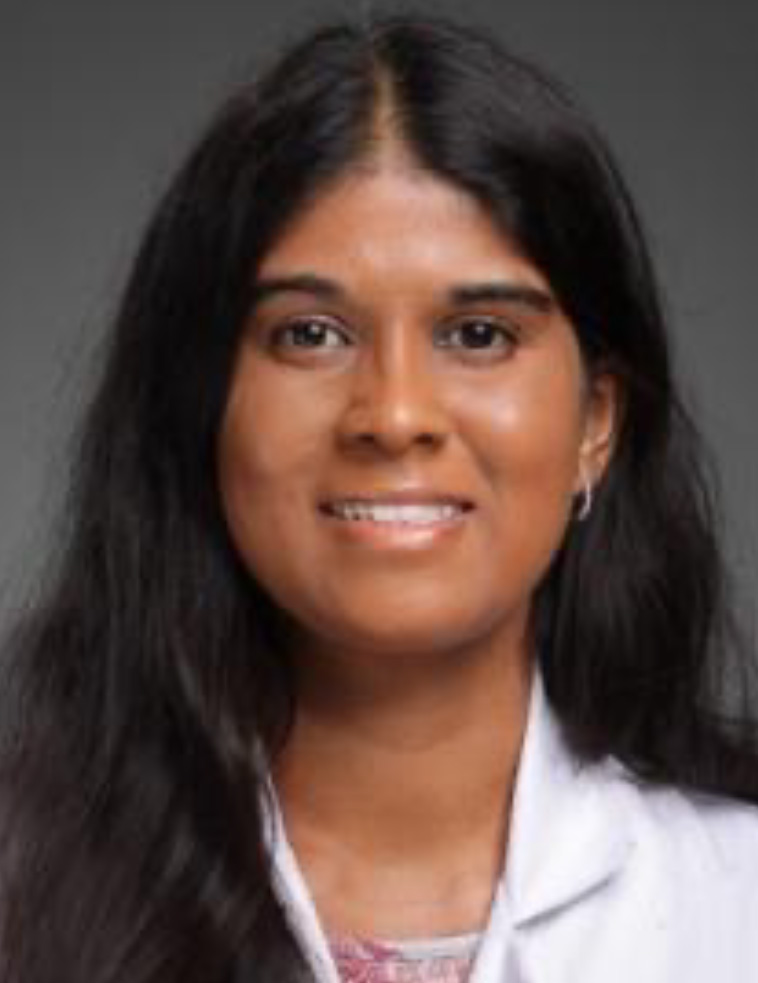
Fahmin Basher, MD, PhD
Medical Instructor, Department of Medicine
Division of Hematologic Malignancies and Cellular Therapy
Duke University Medical Center
Durham, NC
Dr. Fahmin Basher, MD, PhD, was born and raised in Orangeburg, SC, and earned her BS degrees in chemical engineering and biology at the University of South Carolina. She then went on to complete MD and PhD degrees at the Medical University of South Carolina, followed by an internal medicine residency at the University of Miami. She came to Duke in 2021 for her hematology/oncology fellowship, during which she served as chief fellow and also completed a senior research fellowship year.
Her research interests center on clinically relevant mechanisms of B cell dysregulation in B cell lymphomas and hematopoietic stem cell transplantation in chronic graft-versus-host disease (cGVHD).
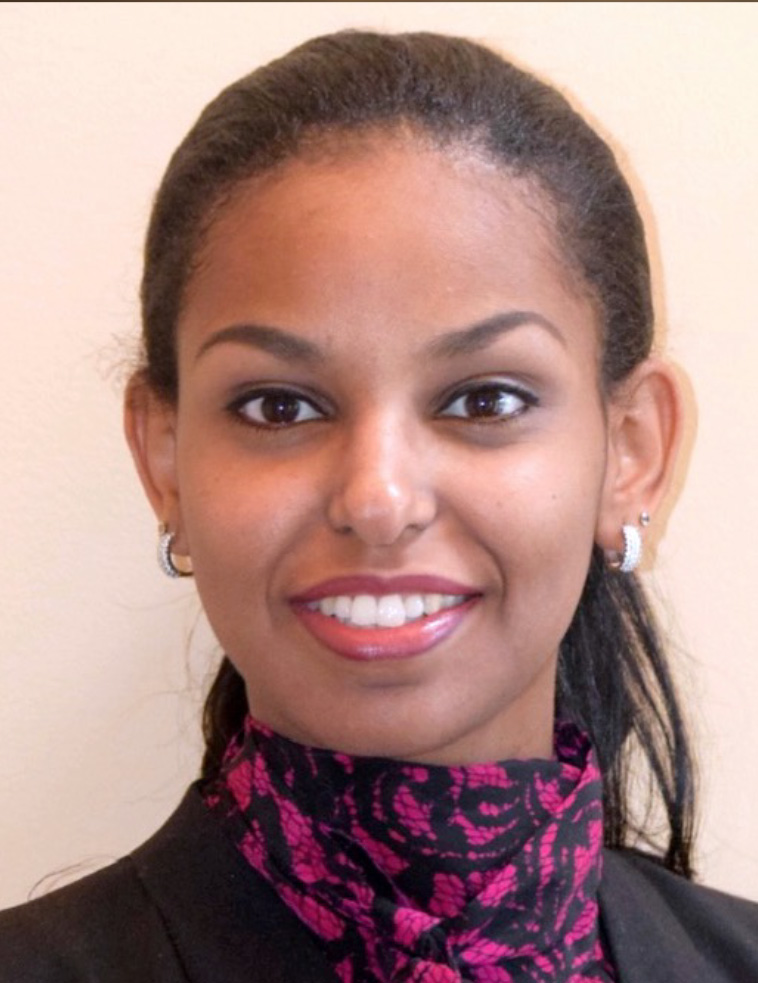
Eden Biltibo, MD, MS
Assistant Professor, Department of Medicine
Division of Hematology and Oncology
Vanderbilt University Medical Center
Nashville, TN
Dr. Eden Biltibo, MD, MS, received her medical degree from Gondar University School of Medicine in Ethiopia, and her postdoctoral training includes residency and chief residency at Meharry Medical College, a master’s in Clinical and Translational Science at the Medical College of Wisconsin, and a hematology/oncology fellowship at Vanderbilt University Medical Center.
Influenced by her own experiences, Dr. Biltibo is passionate about developing strategies to bridge health care disparities in multiple myeloma care. Her focus is on the equitable use of immunotherapeutics in myeloma and on improving racial diversity of clinical trial participants. She is a recipient of the 2022 American Society of Hematology Inclusion Pathway Award, the 2022 Robert A. Winn Excellence in Clinical Trials Career Development Award, and a 2023 Multiple Myeloma Research Foundation Research Scholars Award.
Currently, Dr. Biltibo is an assistant professor at Vanderbilt University Medical Center in Nashville, Tennessee.
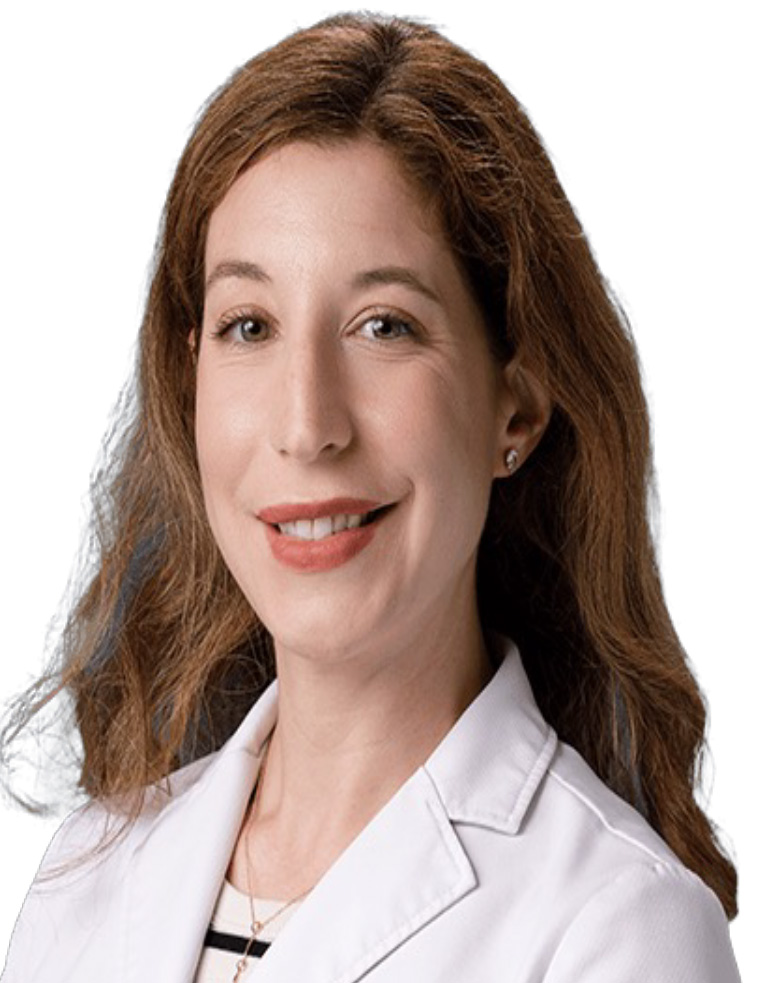
Elizabeth A. Brem, MD
Associate Clinical Professor of Medicine
Division of Hematology/Oncology
Department of Medicine
University of California, Irvine School of Medicine
UCI Health Chao Family Comprehensive Cancer Center
Orange, CA
Dr. Elizabeth A. Brem is an Associate Clinical Professor of Medicine in the Division of Hematology/Oncology at the University of California, Irvine School of Medicine and a hematologist-oncologist at UCI Health Chao Family Comprehensive Cancer Center. Dr. Brem earned her medical degree from the University at Buffalo Jacobs School of Medicine and Biomedical Sciences. She completed her internal medicine residency and hematology-oncology fellowship at Beth Israel Deaconess Medical Center in Boston, where she also served as a clinical fellow at Harvard Medical School. She also completed research training at Dana-Farber Cancer Institute focused on BCL-2 family proteins and therapeutic resistance in lymphomas.
Dr. Brem’s clinical and translational research focuses on lymphoma biology, BCL-2 family proteins, apoptosis, and mechanisms of therapeutic resistance in lymphoid malignancies. She is actively involved in clinical trial development for patients with lymphoma and is a member of the American Society of Hematology, SWOG’s Lymphoma Working Group, and the University of California Hematologic Malignancies Consortium. Her work aims to advance novel therapeutic strategies and improve outcomes for patients with blood cancers.
Onyee Chan, MD
Associate Professor, Department of Oncologic Sciences
University of South Florida
Associate Member, Department of Malignant Hematology
H. Lee Moffitt Cancer Center
Tampa, FL
Dr. Onyee Chan, MD, received her MD degree from the University of Arizona College of Medicine, Phoenix. She completed an Internal Medicine Residency at the University of Arizona College of Medicine in Tucson, followed by a Hematology/Oncology Fellowship at Moffitt Cancer Center/University of South Florida. She is currently a clinical investigator at Moffitt Cancer Center.
Dr. Chan’s clinical interests include myeloid malignancies such as acute myeloid leukemia (AML), myelodysplastic syndromes (MDS), chronic myeloid leukemia (CML), and others. Her research interests include clinical trials and outcome studies inspired by molecular targets that focus on myeloid neoplasms.
Evan C. Chen, MD
Clinical Investigator and Attending Physician
Adult Leukemia Program
Dana-Farber Cancer Institute
Instructor in Medicine
Harvard Medical School
Boston, MA
Evan Chen, MD, is a Clinical Investigator and Attending Physician in the Division of Leukemia at Dana-Farber Cancer Institute. His research focus is on the development of novel therapies for acute leukemias and other advanced myeloid neoplasms , with particular interests in cell therapy strategies (i.e. CAR-T, TCR-T, NK cells), and epigenetic approaches utilizing Nanopore sequencing.
Diana Cirstea, MD
Instructor in Medicine
Harvard Medical School
Attending Physician, Center for Multiple Myeloma
Massachusetts General Hospital
Boston, MA
Dr. Diana Cirstea, MD, is an Instructor in Medicine at Harvard and an Attending Physician at the Center for Multiple Myeloma. She earned her medical degree from Nicolae Testemitanu State University of Medicine and Pharmacy in the Republic of Moldova and completed her residency in Internal Medicine at Mount Auburn Hospital, followed by a fellowship in Hematology and Medical Oncology at Boston University Medical Center.
Dr. Cirstea’s research focuses on multiple myeloma, with particular interest in cellular immunotherapy and novel therapeutic strategies. Her work has included research on anti-myeloma therapeutics such as CDK inhibitors and agents targeting the PI3K/Akt/mTOR pathway, both as single agents and in combination with conventional therapies. During her Hematology/Oncology fellowship, Dr. Cirstea cared for patients from diverse socio-economic and ethnic backgrounds with advanced malignancies and complex hematologic conditions, which further shaped her clinical and research interests. She subsequently worked as a BMT hospitalist at Dana-Farber Cancer Institute/Brigham and Women’s Hospital, focusing on inpatient care for patients undergoing stem cell transplantation and other cellular therapies, including CAR T-cell therapy. She is currently part of the Mass General Cancer Center Multiple Myeloma Program, where she cares for patients with plasma cell disorders and conducts research in multiple myeloma.
Adam Cohen, MD
Associate Professor of Medicine, Hematology-Oncology
Director, Myeloma Immunotherapy
Co-Director, Amyloidosis Program
Member, Abramson Cancer Center
Hospital of the University of Pennsylvania
Philadelphia, PA
Dr. Adam Cohen, MD, received his medical degree and Internal medicine training from the University of Pennsylvania and completed his Hematology/Medical oncology fellowship at Memorial Sloan-Kettering Cancer Center in New York. Board certified in internal medicine, medical oncology, and hematology, Dr. Cohen is a member of ASH, ASCO, AACR and the International Myeloma Society, and a reviewer for a number of peer- reviewed journals. He has written dozens of original articles, book chapters, and reviews on cancer immunotherapy, multiple myeloma, amyloidosis, and stem cell transplant. Dr. Cohen is currently Director of Myeloma Immunotherapy and an Associate Professor of Medicine at the Abramson Cancer Center of the University of Pennsylvania in Philadelphia.
Christopher D’Angelo, MD, MS
Assistant Professor, Department of Medicine
Division of Hematology
University of Nebraska Medical Center
Omaha, NE
Dr. Christopher D’Angelo, MD, MS, is an Assistant Professor in the Division of Hematology at the University of Nebraska Medical Center. After obtaining a bachelor’s of science degree from Northwestern University, Dr. D’Angelo attended medical school at the University of Illinois College of Medicine, graduating with AOA honors. He completed a residency in Internal Medicine at the University of Chicago Hospitals and Clinics and a fellowship in Hematology/Oncology at the University of Wisconsin, followed by an MS in clinical translational research at the University of Nebraska Medical Center.
Dr. D’Angelo treats patients with lymphoma with a specific interest in CNS lymphoma and specializes in cellular therapy. He is a member of the NCCN CLL and hairy cell leukemia panel. His recent awards include the 2025 Patient Voice award and the 2025 UNMC Internal Medicine clinical research award. His research program focuses on clinical trials within these diseases, as well as collaborative translational research investigating the role of the gut microbiome in the pathogenesis and the management of hematologic malignancies.
Alexey Danilov, MD, PhD
Marianne and Gerhard Pinkus Professor, Early Clinical Therapeutics
Medical Director, Early Phase Therapeutics Program for the Systems Clinical Trials Office
Co-Director, Toni Stephenson Lymphoma Center
Disease Team Leader, Lymphoma
Professor, Department of Hematology
Director, Hematopoietic Tissue Repository (Lymphoma)
City of Hope
Duarte, CA
Dr. Alexey Danilov, MD, PhD, earned his medical degree in Russia and completed a fellowship in hematology/oncology at Tufts Medical Center, in Boston, United States. He is a physician-scientist with background in molecular biology and cancer cell signaling and expertise in oncologic drug development. He leads an independent research program in B-cell malignancies which bridges the understanding of B-cell biology with early clinical evaluation of novel therapeutics.
As a Director of Early Phase Therapeutics Program and a leader of the Lymphoma Center, Dr. Danilov guides an effort in experimental therapeutics at the City of Hope National Medical Center. His group’s pre-clinical focus is on evaluation of novel targets in the ubiquitin-proteasome system and oncogenic role of cyclin-dependent kinase-9. In addition, his group performs correlative science on multiple clinical trials. He received peer-reviewed funding from the National Cancer Institute (R01), Leukemia and Lymphoma Society, American Society of Hematology and Lymphoma Research Foundation, and serves as Co-Chair for Translational Medicine of the Southwest Oncology Group Lymphoma Committee.
Clinically, Dr. Danilov is a practicing medical oncologist specializing in the care of patients with CLL and lymphoma. Building on his pre-clinical discoveries, he launched multiple early-phase clinical trials with novel agents. As a member of industry and SWOG committees and a leader within the Early Therapeutics Clinical Trials Network, he participates in drug development on a global scale.
Lorenzo Falchi, MD
Assistant Professor
Weill Cornell Medical College
Assistant Attending Physician
Memorial Sloan Kettering Cancer Center
New York, NY
Dr. Lorenzo Falchi, MD, is a board-certified medical oncologist and hematologist specializing in the treatment of blood diseases, with a particular focus on lymphoma. Dr. Falchi earned his medical degree from the University of Perugia and completed a fellowship in Medical Oncology at the University of Perugia. He then completed a fellowship in Leukemia at MD Anderson Cancer Center, followed by a residency in Internal Medicine at Yale University School of Medicine, and a fellowship in Hematology/Oncology at Columbia University Irving Medical Center.
Dr. Falchi’s clinical work focuses on the care of patients with lymphoma. He is part of a multidisciplinary team dedicated to developing effective therapies and providing comprehensive care and support to patients throughout their treatment journey.
Yngvar Fløisand, MD, PhD
Head Physician
Oslo University Hospital
Oslo, Norway
Dr. Yngvar Fløisand, MD, PhD, is a Head Physician at Oslo University Hospital in Oslo, Norway. Dr. Fløisand’sresearch focuses on bone marrow transplantation, acute myeloid leukemia, and other myeloid malignancies. He is an academic researcher dedicated to advancing the understanding and treatment of hematologic diseases.
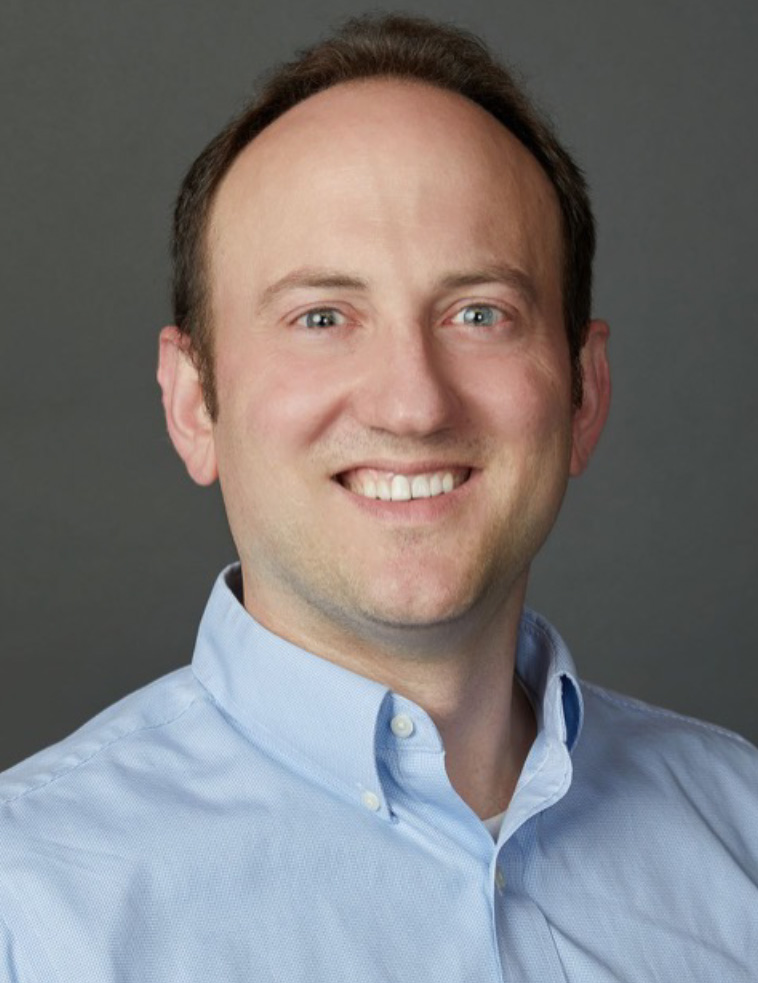
Matthew Frank, MD, PhD
Assistant Professor of Medicine
Division of BMT and Cellular Therapy
Stanford University
Stanford, CA
Dr. Matthew Frank, MD, PhD, is a physician-scientist and serves as an Assistant Professor of Medicine in the Division of Blood and Marrow Transplantation and Cellular Therapies at Stanford University. His research group evaluates mechanisms of resistance to chimeric antigen receptor (CAR) T-cell therapies and the causes of CAR T-cell therapy-related toxicities. Clinically, he cares for patients with high-risk lymphoma undergoing stem cell transplantation and CAR T-cell therapy. He is a principal investigator of clinical trials investigating transplant and CAR T-cell therapies for patients with lymphoma and other blood cancers.
For his group’s work, Dr. Frank received the Best Oral Abstract Award at Tandem, the American Society of Hematology Junior Faculty Scholar Award, and the Joanne Levy, MD Memorial Award for Outstanding Achievement at ASH. Dr. Frank is also the recipient of the Master Teacher Award and Research Excellence Award from the Stanford Department of Medicine.
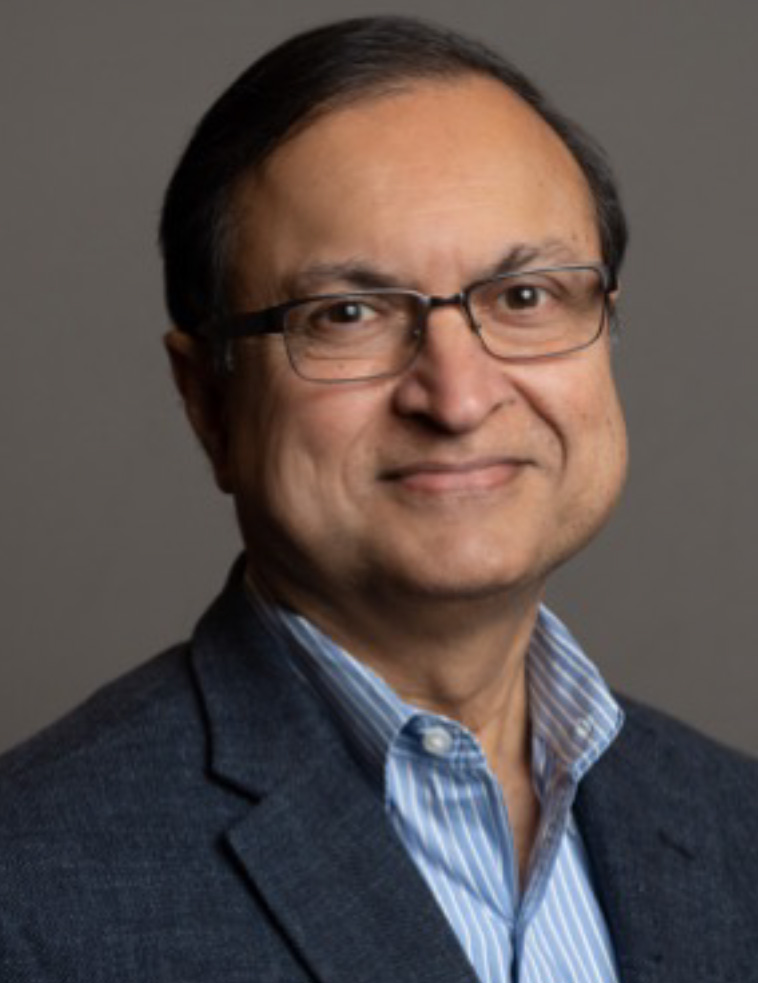
Siddhartha Ganguly, MD, FACP
Professor of Clinical Medicine
Weill Cornell Medical College
Adjunct Professor
Baylor College of Medicine
Professor of Clinical Medicine
Carol Cockrell Curran Distinguished Centennial Chair of Hematologic Oncology
Associate Director for Clinical Investigation and Research
Section Chief, Hematological Malignancy
Houston Methodist Hospital and Neal Cancer Center
Houston, TX
Dr. Siddhartha Ganguly, MD, FACP, is a Professor of Clinical Medicine at Weill Cornell Medical College and Houston Methodist Hospital, where he also serves as Chief of the Hematology Section and Associate Director for Clinical Investigation and Research at the Houston Methodist Neal Cancer Center. He holds the Carol Cockrell Curran Distinguished Centennial Chair of Hematologic Oncology and is a Full Clinical Member of the Houston Methodist Research Institute.
An internationally recognized leader in hematologic malignancies and cellular therapy, Dr. Ganguly has extensive expertise in multiple myeloma, lymphoma, stem cell transplantation, and CAR T-cell therapy. His recent academic achievements include leading and serving as site PI on multiple national and industry-sponsored clinical trials in advanced cellular immunotherapy, active leadership roles in national consortia and steering committees, invited lectures at major international meetings, and continued scholarly contributions focused on innovative, patient-centered, and equity-driven cancer care.
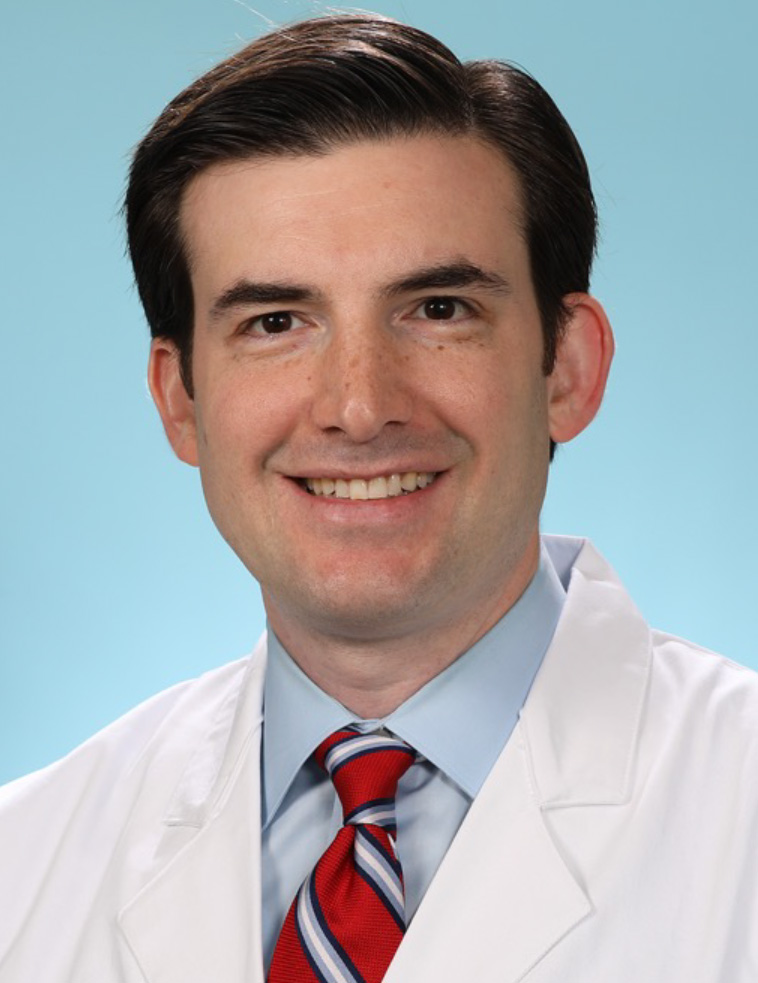
David Russler-Germain, MD, PhD
Instructor, Division of Oncology
Siteman Cancer Center
Washington University School of Medicine
St. Louis, MO
Dr. David Russler-Germain, MD, PhD, is an Instructor of Medicine in the Division of Oncology at Washington University School of Medicine, Siteman Cancer Center, in St. Louis, MO. As a physician-scientist, his research explores mechanisms of lymphomagenesis using mouse models, genomics studies, and biomarker discovery, including circulating tumor DNA, with a particular emphasis on follicular lymphoma and aggressive histologic transformation.
He received his BS in Biology from Stanford University, then his MD and PhD in Molecular Genetics and Genomics from WashU in St. Louis, where he also completed his Internal Medicine and Hematology/Oncology training. He is the principal investigator for multiple investigator-initiated clinical trials. His research has been published in prestigious journals, including Cell, Cancer Cell, Clinical Cancer Research, Blood, Blood Advances, and Journal of Clinical Investigation. He has been awarded grants from the LRF, ASCO, and IFLI. He serves as a Core Faculty member for the WashU Hematology/Oncology Fellowship, was awarded fellowship teacher of the year in 2024–2025, and co-leads the fellowship research curriculum. Nationally, he is a member of the Alliance for Clinical Trials in Oncology Lymphoma Committee.
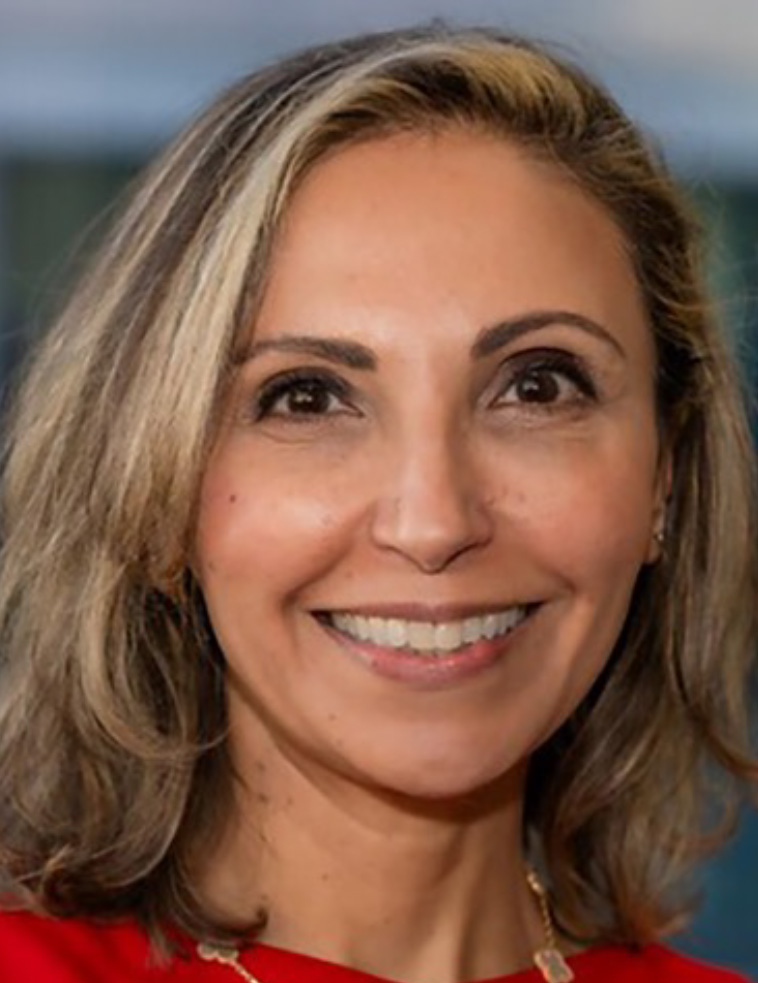
Irene Ghobrial, MD
Professor of Medicine
Harvard Medical School
Director, Center for Early Detection and Interception of Blood Cancers
Director, Clinical Investigator Research Program
Lavine Family Chair for Preventative Cancer Therapies
Dana-Farber Cancer Institute
Boston, MA
Dr. Irene Ghobrial, MD, is the Director of the Center for Early Detection and Interception of Blood Cancers, Director of the Clinical Investigator Research Program, Lavine Family Chair for Preventative Cancer Therapies, and Professor of Medicine at Dana-Farber Cancer Institute and Harvard Medical School.
Dr. Ghobrial received her MD in 1995 from Cairo University School of Medicine, Egypt. She completed her Internal Medicine training at Wayne State University and her Hematology/Oncology subspecialty training at Mayo Clinic College of Medicine. She joined Dana-Farber in the field of Waldenstrom’s macroglobulinemia and multiple myeloma in 2005. Dr. Ghobrial’s research focuses on precursor conditions of multiple myeloma, with an emphasis on understanding genetic, epigenetic, and immune mechanisms of disease progression, identifying novel biomarkers, and developing therapies to eliminate disease before progression. She has led multiple clinical trials in Waldenstrom macroglobulinemia and multiple myeloma precursor conditions.
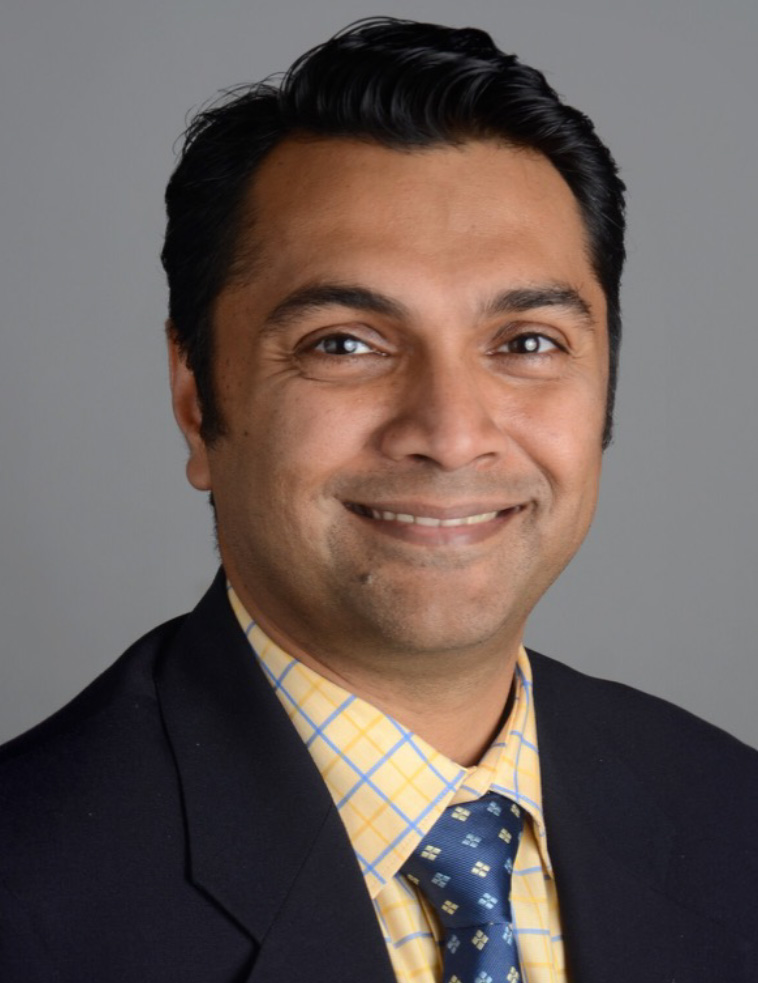
Nilanjan Ghosh, MD, PhD
Professor, Cancer Medicine
Wake Forest University School of Medicine
Chief, Lymphoma Division
Atrium Health Levine Cancer Institute
Charlotte, NC
Dr. Nilanjan Ghosh, MD, PhD, is Chair of the Department of Hematologic Oncology and Blood Disorders at Atrium Health. He is also Chief of the Lymphoma Division and a Professor of Medicine. He is board certified in hematology-oncology and specializes in the treatment of lymphoma and chronic lymphocytic leukemia. He earned his medical degree from K.J. Somaiya Medical College and Research Center at the University of Mumbai and obtained a doctoral degree in Biochemistry and Molecular Biology from the University of South Florida. He completed his residency in Internal Medicine at Long Island Jewish Medical Center, followed by a fellowship in Hematology and Oncology at Johns Hopkins University. He also served on the faculty at the Sidney Kimmel Comprehensive Cancer Center at Johns Hopkins University.
Dr. Ghosh’s research focuses on lymphoma, chronic lymphocytic leukemia, CAR T-cell therapy, stem cell transplantation, and the development of novel therapies for blood cancers. He has published numerous research papers in leading journals including the New England Journal of Medicine, Lancet, Lancet Oncology, Journal of Clinical Oncology, JAMA Oncology, Blood, Cancer, and the British Journal of Hematology. He has served as a principal investigator on numerous innovative clinical trials.
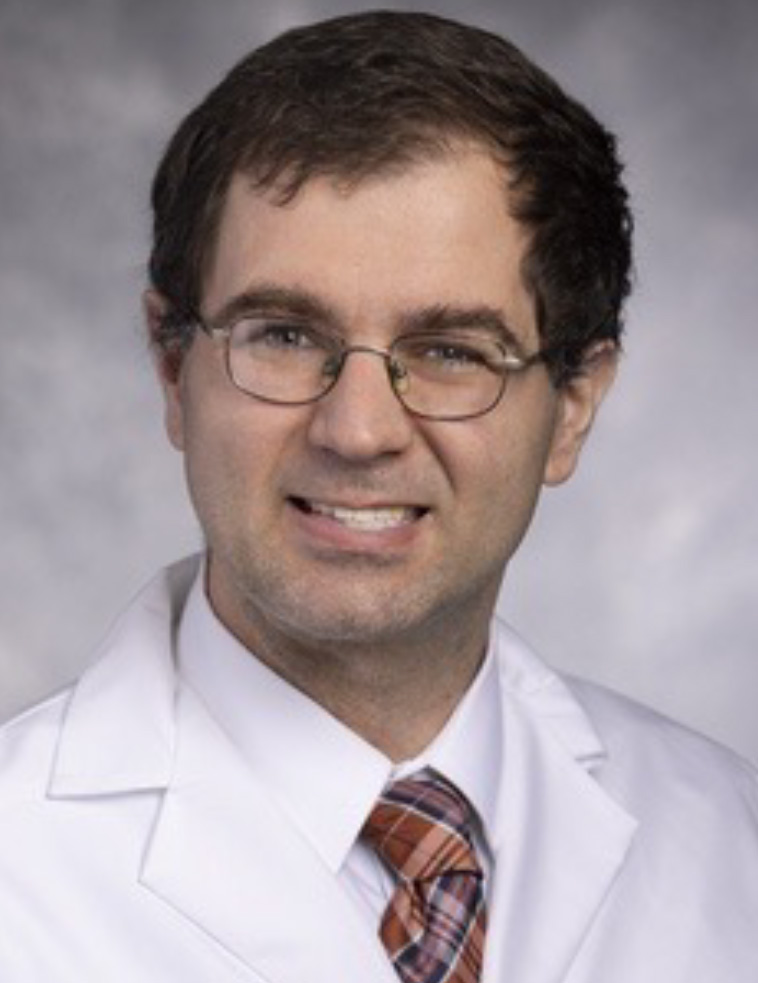
James Ignatz-Hoover, MD, PhD
Assistant Professor of Medicine
Case Western Reserve University School of Medicine
Hematologist/Oncologist
University Hospitals Seidman Cancer Center
Cleveland, OH
Dr. James Ignatz-Hoover, MD, PhD, is a Hematologist/Oncologist at University Hospitals Seidman Cancer Center and an Assistant Professor at the Case Western Reserve University School of Medicine. He earned his MD and PhD in Pathology from Case Western Reserve University School of Medicine, after completing a Bachelor of Science in biochemistry at the University of Michigan. He completed his Internal Medicine residency and Hematology/Oncology fellowship at UH Cleveland Medical Center.
Dr. Ignatz-Hoover’s clinical focus is on blood cancers such as multiple myeloma and AL amyloidosis. He has contributed original articles to various peer-reviewed journals, including Cancer Research Communications, Molecular Cancer Therapeutics, Nature Communications, Blood Advances, Leukemia, Frontiers in Cellular and Infection Microbiology, Oncology, Frontiers in Oncology, Cancer Research, Journal of Immunology, and Clinical and Vaccine Immunology. He serves as an expert reviewer for the journal Leukemia and Lymphoma. Dr. Ignatz-Hoover is a winner of the American Society of Clinical Oncology Young Investigator Award and received individual NIH funding supporting his doctoral training. As a guest speaker, Dr. Ignatz-Hoover has lectured and presented locally and nationally, including at meetings of the Society of Hematology and Oncology, American Society of Hematology and American Association of Cancer Research, covering such topics as new therapies for managing acute myeloid leukemia and multiple myeloma.
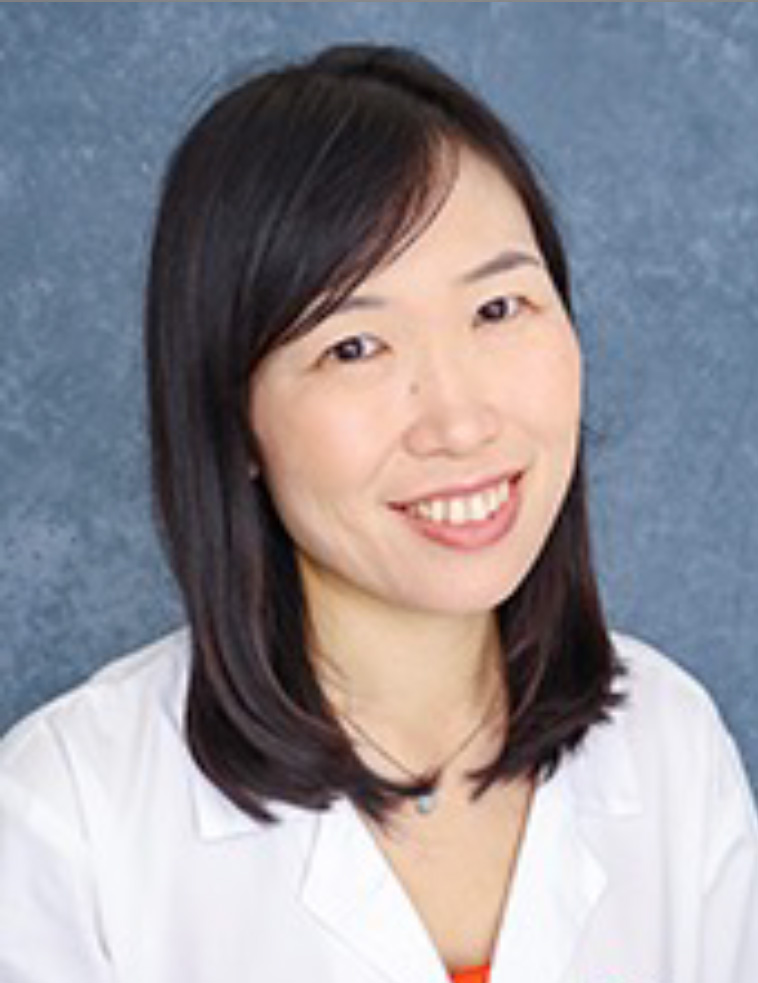
Hitomi Hosoya, MD, PhD
Staff Physician
Cedars-Sinai
Los Angeles, CA
Dr. Hitomi Hosoya, MD, PhD, is a Staff Physician in the Department of Medicine at Cedars-Sinai and a physician-scientist dedicated to improving diagnostics and therapeutic strategies in blood cancers. She specializes in stem cell transplantation, immunotherapy, and cellular therapies, with a particular focus on multiple myeloma and other plasma cell disorders. She earned her medical degree and PhD from the University of Tokyo in Tokyo, Japan. She completed her residency in Internal Medicine at the University of Pennsylvania Healthcare, followed by fellowships in Hematology and in Blood and Marrow Transplant and Cell Therapy at Stanford University. Dr. Hosoya’s research focuses on multiple myeloma, particularly the genetic changes that drive the disease and how these changes evolve over time and under therapy. She also leads studies aimed at understanding and reducing the side effects of advanced cellular therapies to improve the safety and effectiveness of these treatments for patients.
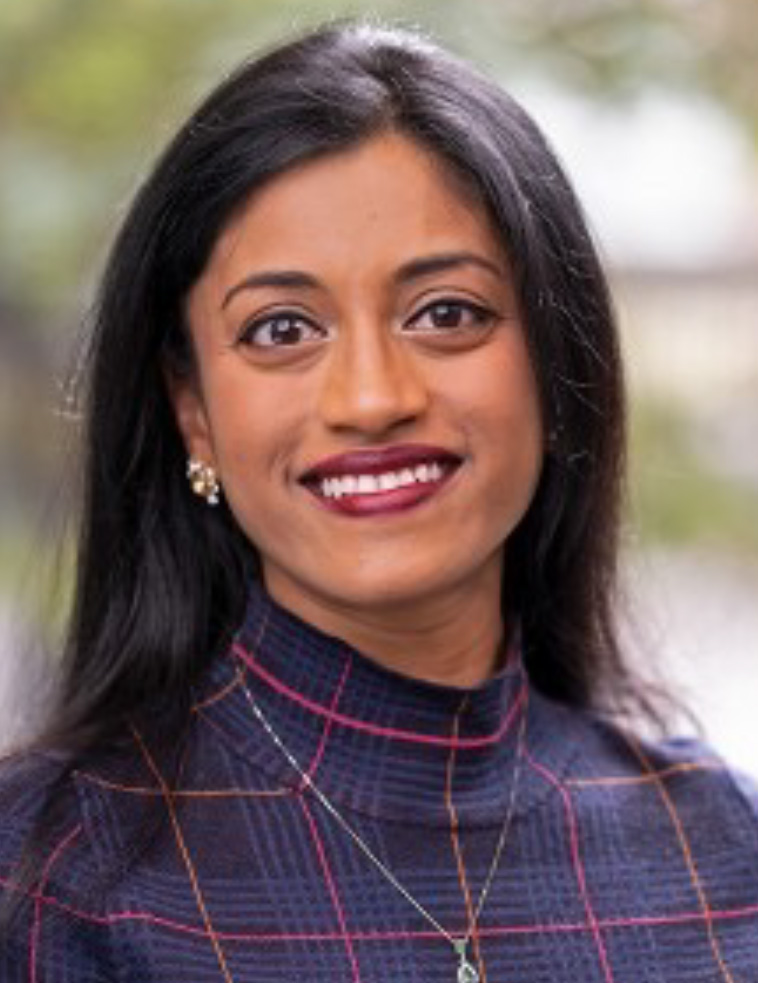
Prioty Islam, MD, MSc
Clinical Director, Leukemia Service
Assistant Attending Physician
Memorial Sloan Kettering Cancer Center
New York, NY
Dr. Prioty Islam, MD, MSc, is a medical oncologist specializing in chronic lymphocytic leukemia at Memorial Sloan Kettering Cancer Center. Her research interests involve assessing novel therapeutics for CLL in the clinic. Clinically, she treats patients with CLL and myeloid malignancies, including CML, MDS, and AML. She is also the Clinical Director of the Leukemia department and functions as an institutional leader responsible for overseeing internal operations.
She previously completed a Hematology and Medical Oncology Fellowship at Duke University and an Internal Medicine residency and internship at Emory University. Prior to training, she obtained her Doctorate of Medicine, Master’s in Chemistry, and Bachelor of Arts with a major in Biochemistry, all from the University of Pennsylvania.
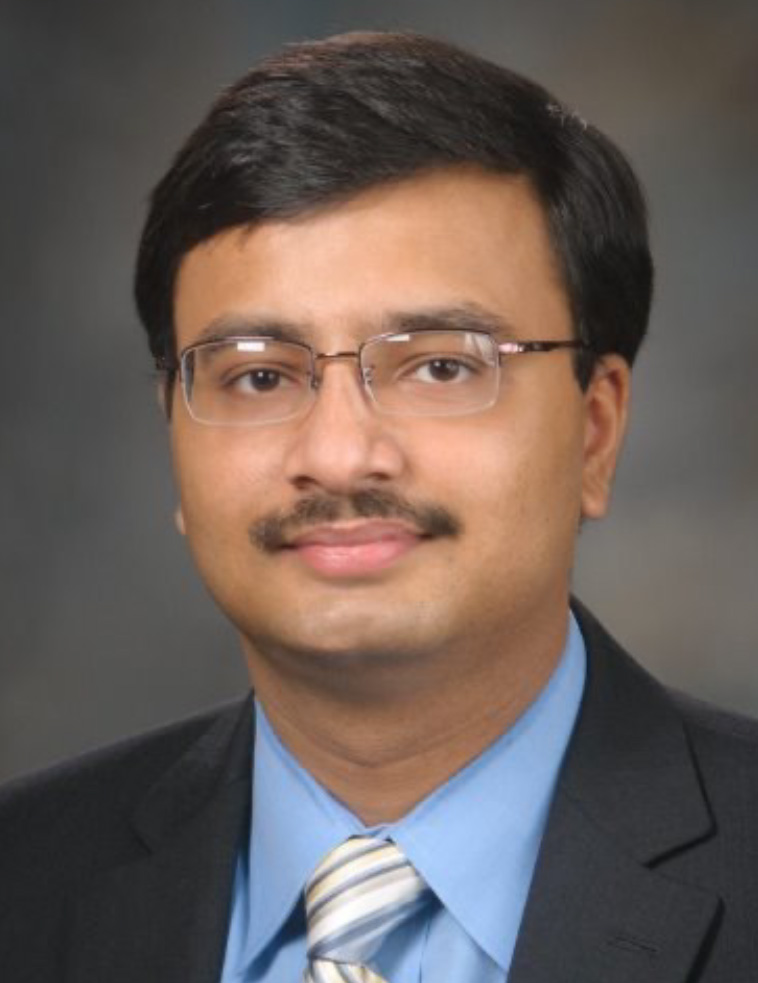
Nitin Jain, MD
Professor of Medicine
Director, Cellular Therapy Program
Department of Leukemia
Division of Cancer Medicine
The University of Texas MD Anderson Cancer Center
Houston, TX
Dr. Nitin Jain, MD, is a Professor of Medicine in the Department of Leukemia at The University of Texas MD Anderson Cancer Center. He earned his medical degree from AIIMS, New Delhi, India in 2002. He completed Internal Medicine residency at the Medical College of Wisconsin, Milwaukee. He then completed clinical fellowship in Leukemia at MD Anderson followed by a Leukemia research fellowship at Memorial Sloan-Kettering Cancer Center. He then pursued fellowship in Hematology/Oncology at The University of Chicago. He joined as a faculty in the Department of Leukemia at MD Anderson in July 2012. Dr. Jain treats patients with acute and chronic leukemias with focus on patients with CLL and ALL. Dr. Jain’s research interests focus on new drug development for patients with leukemia, especially CLL and ALL. Since 2021, he has also served as Director, Leukemia CAR-T Program within the Department of Leukemia, MD Anderson.
Dr. Jain is Principal Investigator of several investigator-initiated phase I-II clinical trials, including combination targeted therapies (ibrutinib and venetoclax) in CLL, checkpoint inhibitor in Richter transformation, JAK2 inhibitor ruxolitinib in Ph-like ALL, novel CD22 antibody drug conjugate in B-ALL, venetoclax + chemotherapy in B- and T-ALL, ponatinib in T-ALL, and off-the-self allogeneic CARTs in B-ALL. The trial combining ibrutinib and venetoclax was published in New England Journal of Medicine in 2019. He has published papers in prominent journals including NEJM, Lancet, JAMA Oncology, Journal of Clinical Oncology, Blood, Clinical Cancer Research, Cancer, Leukemia & Lymphoma, and others.
He has won many awards during his career including Sardari Lal Kalra Gold Medal in Microbiology from AIIMS and Merit Award from the American Society of Clinical Oncology (ASCO). He received High-Impact Clinical Research Support Award from MD Anderson Cancer Center in the year 2014 and 2016. He has served as faculty on American Society of Hematology CRTI workshop from 2017-2019. He is recipient of Sabin Family Foundation Award in 2018. In 2020, he received MD Anderson Faculty Scholar award. In 2022, he received Leukemia and Lymphoma Society (LLS) Scholar in Clinical Research award as well as LLS Translational Research Program (TRP) award.
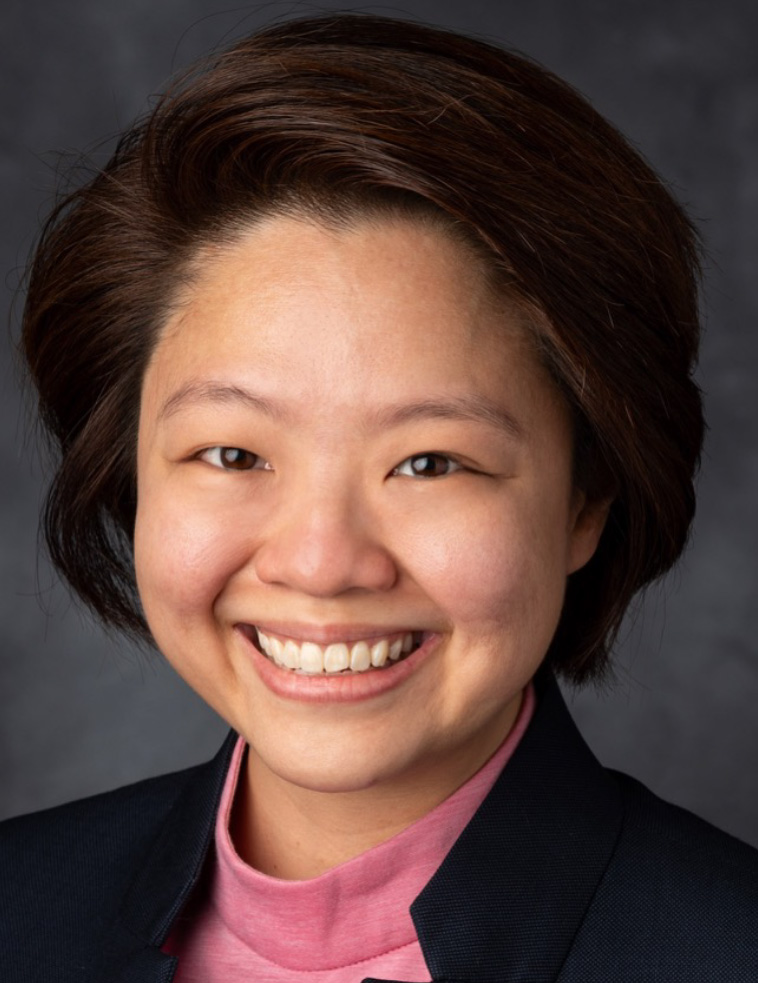
Wei Ying Jen, MA, BM BCh, M Med, MRCP, FRCPath
Assistant Professor, Department of Leukemia
The University of Texas MD Anderson Cancer Center
Houston, TX
Dr. Wei Ying Jen, MA, BM BCh, M Med, MRCP, FRCPath, is a hematologist and Assistant Professor at the University of Texas MD Anderson Cancer Center. She has an interest in leukemia, particularly acute myeloid leukemia. She received her medical degree from the University of Oxford with distinction in 2012 and qualified as a haematologist in 2019 in Singapore. She has been involved in clinical trial design and reporting of clinical trial results for patients with leukemia.
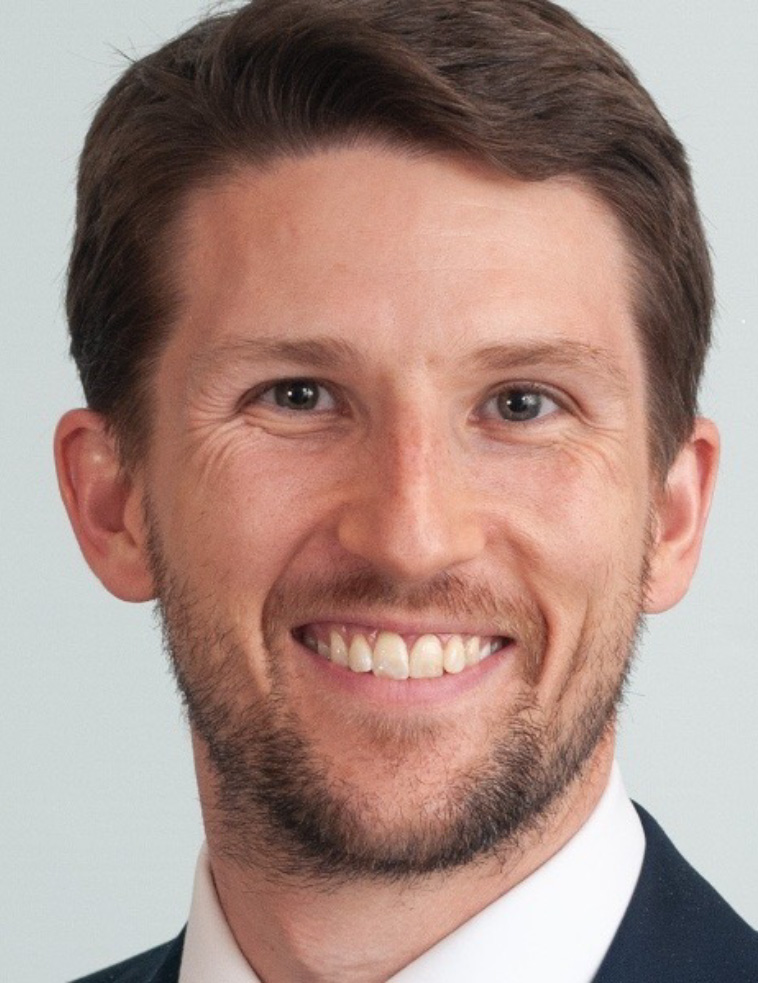
Patrick Connor Johnson, MD
Assistant Professor in Medicine
Harvard Medical School
Clinical Assistant in Medicine
Massachusetts General Hospital
Boston, MA
Dr. Patrick Connor Johnson, MD, specializes in and conducts clinical trial research in the care of patients with lymphoma and those receiving cellular therapies. He is currently an Assistant Professor of Medicine at Harvard Medical School and serves as the Medical Director for Hospital Performance on Lunder 9, the inpatient lymphoma/myeloma unit. His research has focused on developing care delivery interventions to enhance patient quality of life, therapy tolerability, and care delivery; clinical trials to improve the care of older adults with aggressive lymphomas; and integrating patient-reported outcomes into clinical trials of novel therapies, including cellular therapies.
He is the recipient of grant awards from the American Society of Clinical Oncology Conquer Cancer Foundation, an NCI K08 Career Development Award, and the American Cancer Society, and has received Massachusetts General Hospital’s Inpatient Teaching Prize. He also serves on the Editorial Committee for the Lymphoma Research Foundation.
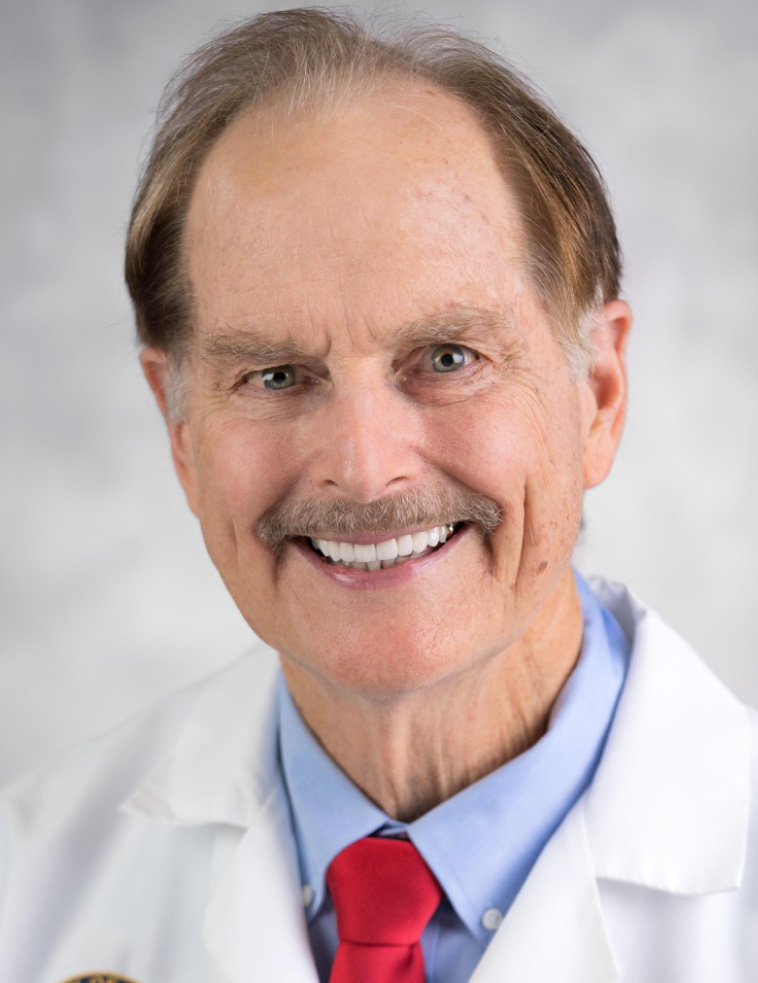
Thomas J. Kipps, MD, PhD
Distinguished Professor of Medicine
Evelyn and Edwin Tasch Chair in Cancer Research
Director, Center for Novel Therapeutics
Co-Director, Hematology Malignancy Program
Moores Cancer Center
University of California, San Diego
San Diego, CA
Dr. Thomas Kipps, MD, PhD, is Professor of Medicine, Evelyn and Edwin Tasch Chair in Cancer Research, and Deputy Director of Research Operations at the UC San Diego Moores Cancer Center. He received his Ph.D. in Immunology and M.D. from Harvard University and his residency and fellowship training in Internal Medicine, Hematology, and Genetics at Stanford University.
Dr. Kipps joined UC San Diego Health in 1991 and is internationally recognized for his contributions to immunobiology, cell biology, and the molecular genetics of B-cell malignancies, especially CLL. He is the author of more than 300 publications and is the PI on several peer-reviewed grants, including an award from NCI/NIH to fund the Chronic Lymphocytic Leukemia Research Consortium (CRC). The CRC involves collaboration with eight other Cancer Centers around the United States and the UK. Dr. Kipps is also the Director of the Blood Cancer Research Fund at the UC San Diego Moores Cancer Center. The Blood Cancer Research Fund concentrates on developing cures for all types of blood-related cancers, specifically Chronic Lymphocytic Leukemia (CLL). Dr. Kipps has over 20 years’ experience in combining research and clinical care responsibilities. As Deputy Director of Research Operations, Dr. Kipps is working to further integrate basic and translational research investigators at the Moores Cancer Center with clinical investigators, epidemiologists, and physicians offering state-of-the-art therapies for patients with various forms of cancer. He has received numerous awards and recognitions for his contributions to blood cancer research, including two Specialized Center of Research in Leukemia grants from the Leukemia and Lymphoma Society, two National Institutes of Health MERIT awards, the Rai-Binet Medal from the International Workshop on Chronic Lymphocytic Leukemia, and the Michael J. Keating Outstanding Achievement Award from the Society of Hematologic Oncology.
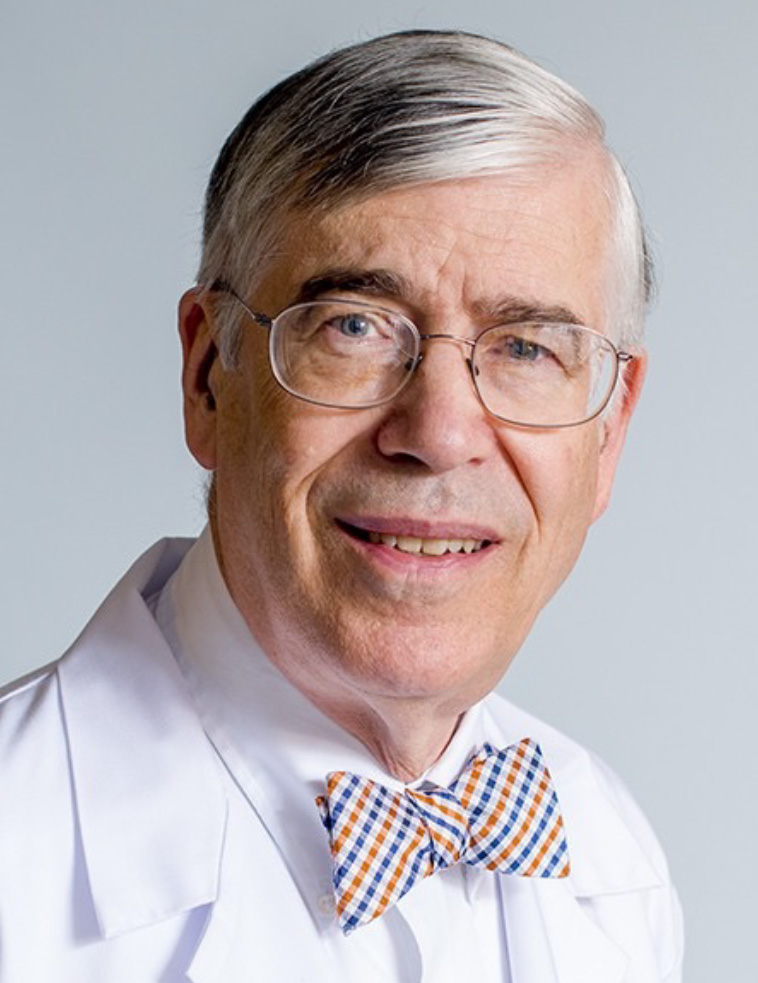
David Kuter, MD, Dphil
Professor of Medicine
Harvard Medical School
Distinguished Physician
Massachusetts General Hospital
Boston, MA
Dr. David Kuter, MD, Dphil, is Distinguished Physician at Massachusetts General Hospital (MGH) and Professor of Medicine at Harvard Medical School, Boston, USA. He received his undergraduate degree from Harvard College and his DPhil in Biochemistry while a Rhodes Scholar at Magdalen College, Oxford, UK, before obtaining his medical degree from Harvard Medical School. He was Chief of Hematology at MGH from 1998 until 2025 and is currently Distinguished Physician at MGH. Dr. Kuter divides his time between medical education of fellows and medical students, clinical care of patients with a wide range of haematologicaldisorders, basic science investigation into thrombopoietin and megakaryocyte biology, and clinical research of treatments for immune thrombocytopenia and hemolytic anemia. His basic science group was one of the laboratories that discovered thrombopoietin, and his clinical research group carried out various seminal studies using thrombopoietic agents in transfusion medicine, chemotherapy-induced thrombocytopenia (CIT), and immune thrombocytopenia (ITP).
A member of the American Society of Hematology (ASH), Professor Kuter is the recipient of a number of awards, including the Irving London Teaching Award at Harvard Medical School, the Alfred Kranes Teaching Award at Massachusetts General Hospital, the 2008 and 2010 Douglas Family Foundation Prize – Recognizing Excellence in Hematology-Oncology Research at the MGH Cancer Center, the Jane Grier Memorial Prize – Recognizing Excellence in Hematology-Oncology Teaching at the MGH Cancer Center, the 2013 Earnest Beutler Award from the American Society of Hematology, the 2022 Thomas R. Spitzer Outstanding Clinician Award at the MGH Cancer Center, the 2023 MacFarlane-Biggs Plenary Lectureship of the British Society of Haematology/British Society for Haemostasis and Thrombosis, the 2023 Dana-Farber/Mass General Brigham Excellence in Teaching Award, and the 2025 Victor Blanchette Memorial Plenary Lecture at the International Society of Thrombosis and Haemostasis. He has given over 700 invited lectures in over 50 countries and served as a Visiting Professor in Beijing, Sydney, Tokyo, London, Durham, Little Rock, Tianjin, Melbourne, and New Haven. Professor Kuter has authored or co-authored over 350 articles published in international, peer-reviewed journals, including the New England Journal of Medicine, Lancet, and Blood.
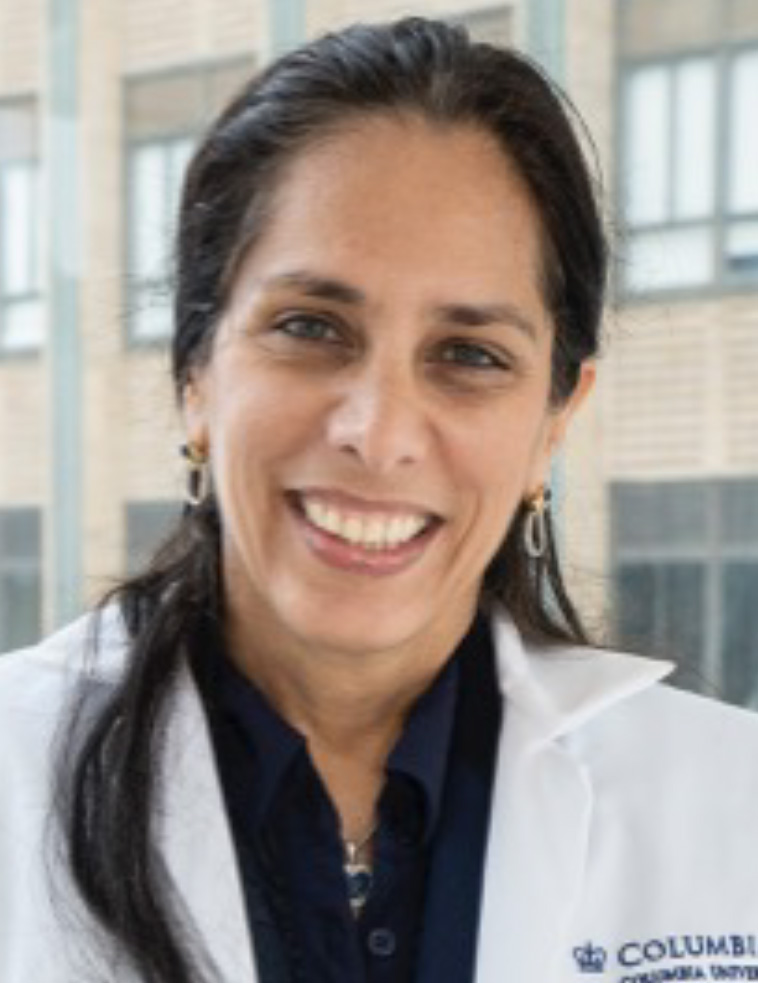
Nicole Lamanna, MD
Associate Clinical Professor of Medicine
Columbia University Irving Medical Center
New York, NY
Dr. Nicole Lamanna, MD, is an Associate Clinical Professor of Medicine in the Hematologic Malignancies Section of the Hematology/Oncology Division at Columbia University Medical Center. Dr. Lamanna is a hematologist/oncologist whose research interests include lymphoid leukemias, specifically chronic lymphocytic leukemia. She is an experienced clinical investigator and her research focus has been the development of combination therapies that include chemoimmunotherapy, immunomodulatory drugs, novel kinase inhibitors and monoclonal antibodies. She also is working to find active, safer therapies for older patients with these diseases.
She earned her medical degree from Albert Einstein College of Medicine. She completed her residency in Internal Medicine at the New York University Medical Center, followed by fellowship in Hematology-Oncology at Memorial Sloan-Kettering Cancer Center.
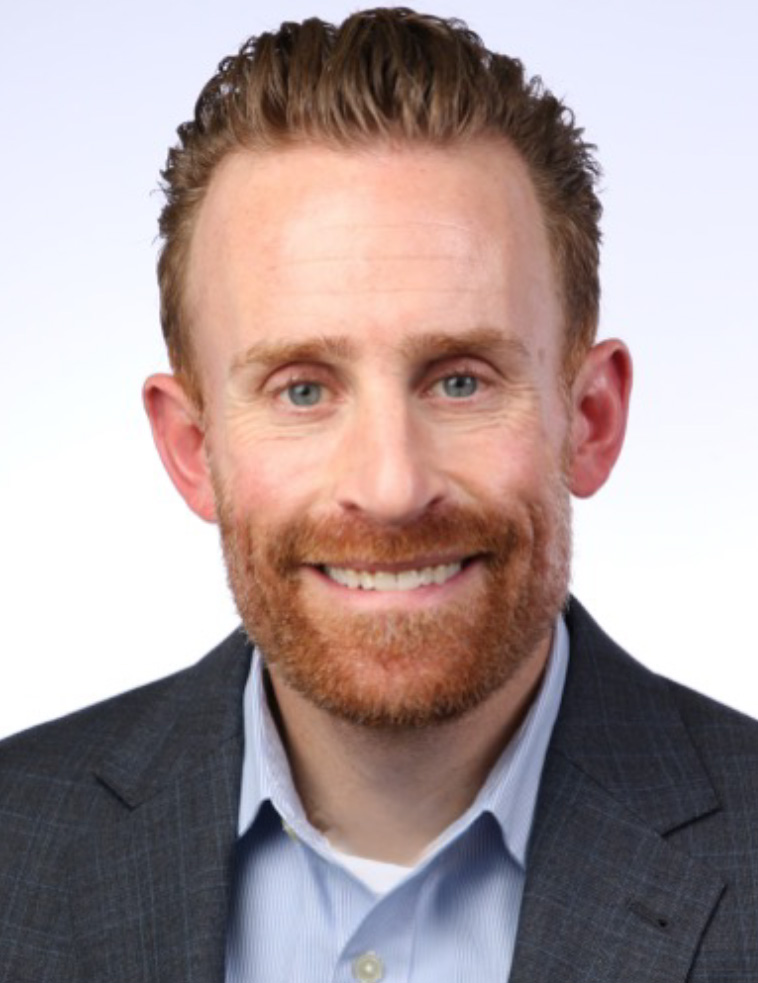
Daniel Landsburg, MD
Associate Professor of Clinical Medicine, Division of Hematology/Oncology
Perelman School of Medicine
Medical Director for Infusion Services
Physician Leader of Oncology Clinical Effectiveness Team
Hospital of the University of Pennsylvania
Philadelphia, PA
Dr. Daniel Landsburg, MD, is an Associate Professor of Clinical Medicine in the Division of Hematology/Oncology at the Perelman School of Medicine of the University of Pennsylvania. His clinical and research interests are in large B cell lymphomas (LBCL), including the use of molecular testing to risk-stratify patients diagnosed with LBCL, as well as therapies for relapsed/refractory LBCL. He is also the Medical Director of Infusion Services and the Physician Leader of the Oncology Clinical Effectiveness Team for the Hospital of the University of Pennsylvania.
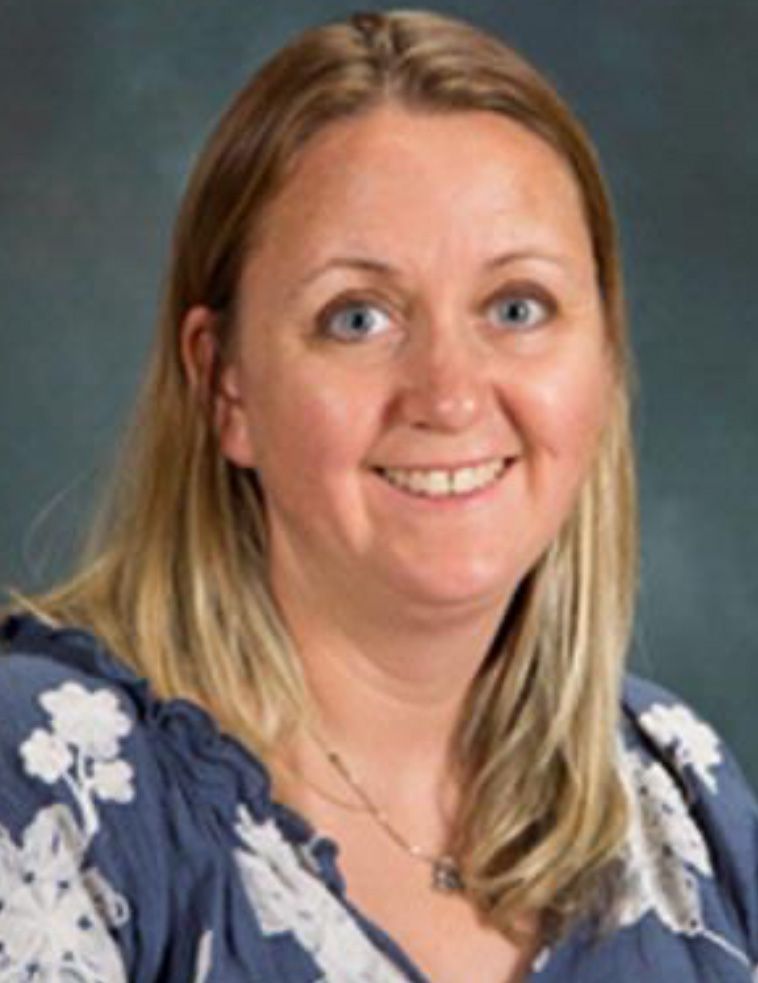
Brea Lipe, MD
Professor
Department of Medicine, Hematology/Oncology
Clinical Director, Multiple Myeloma Program
Wilmot Cancer Institute
University of Rochester Medical Center
Rochester, NY
Dr. Brea Lipe, MD, is a Professor in the Department of Medicine, Hematology/Oncology, and Clinical Director of the Multiple Myeloma Program at the Wilmot Cancer Institute. She focuses on improving the care of patients with multiple myeloma and other plasma cell dyscrasias through both clinical care and research. She earned her medical degree from Albany Medical College and completed an internship and residency in Internal Medicine at Dartmouth-Hitchcock Medical Center, followed by a fellowship in Hematology and Oncology at the same institution.
Dr. Lipe’s research focuses on understanding the mechanisms that allow multiple myeloma to develop and progress. In her laboratory, she has developed systems that mimic the growth of cancer cells that become multiple myeloma, allowing the study of disease progression with the goal of developing therapies to prevent the disease. She is also actively involved in clinical research and offers patients a range of clinical trial options based on the most recent data.
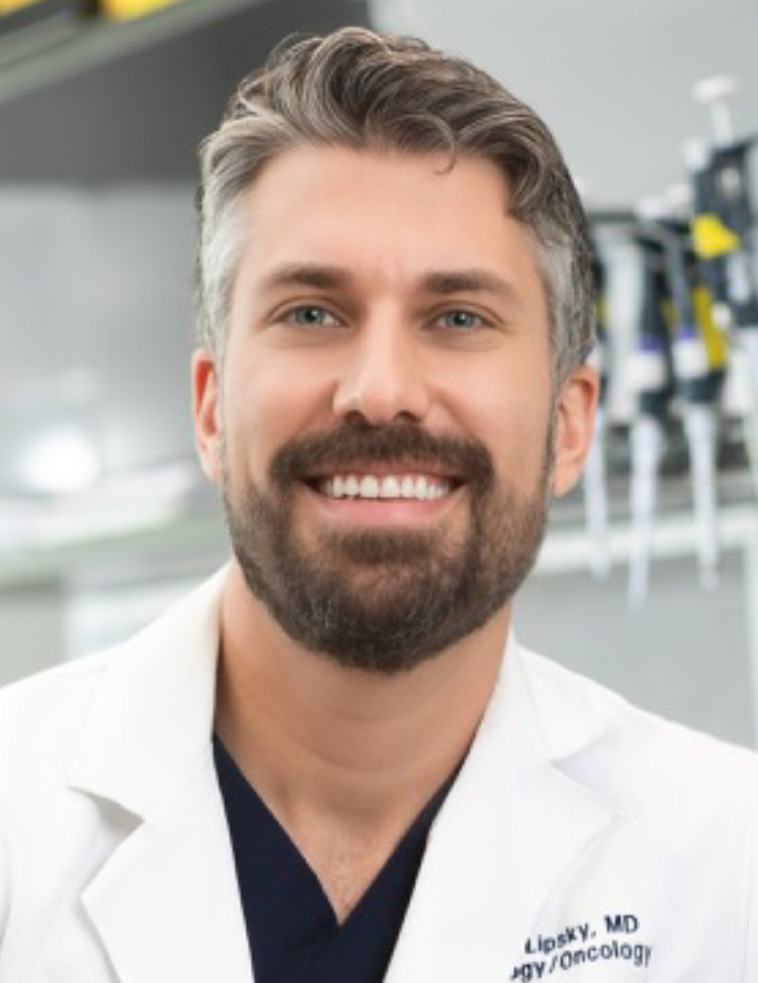
Andrew Lipsky, MD
Assistant Professor of Medicine
Division of Hematology and Oncology
Columbia University Irving Medical Center
New York, NY
Dr. Andrew Lipsky, MD, is an Assistant Professor of Medicine at the Columbia University Medical Center. He specializes in caring for adult patients with hematologic malignancies, including chronic lymphocytic leukemia (CLL) and lymphoma. His research focuses on cancer genomics and new treatments for CLL. He has a special interest in using the latest bioinformatics techniques to study how cancer cells change and adapt during treatment. Utilizing these genomic insights, he hopes to better inform clinical trials and hasten the development of innovative therapies for patients with hematologic malignancies.
Dr. Lipsky earned his medical degree from Rutgers Robert Wood Johnson Medical School. He completed an internship and residency in internal medicine at Montefiore Albert Einstein College of Medicine. He completed fellowship training in Hematology and Medical Oncology at New York Presbyterian Hospital, Weill Cornell Medical College, with an additional sub-fellowship in CLL and lymphoma clinical care. He also completed a postdoctoral research fellowship in lymphoma genomics and bioinformatics as part of the Molecular and Translation Oncology Research (MTOR) training program.
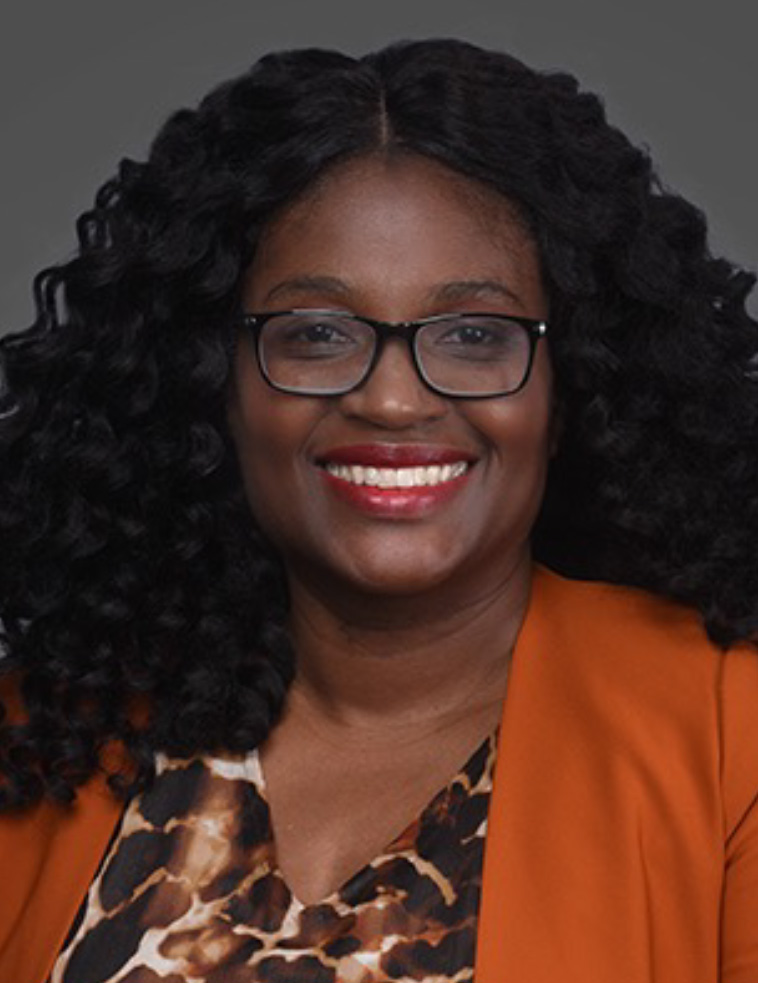
Shella Saint Fleur Lominy MD, PhD
Associate Professor
Chair, UMGCCC Data Safety Monitoring Review Board
Member, Cancer Therapeutics Program
Marlene & Stewart Greenebaum Comprehensive Cancer Center
University of Maryland
Baltimore, MD
Dr. Saint Fleur-Lominy, MD, PhD, is a clinician scientist with a clinical focus on the diagnosis and treatment of leukemia and myeloid disorders and a research focus on acute lymphoblastic leukemia. She is also an accomplished educator with experience as a course director, lecturer, fellowship program director, and a former member of the ASCO Oncology Training Program Committee. She earned her PhD in Molecular Oncology and Immunology from the New York University Graduate School of Arts and Science and her MD from the New York University School of Medicine. She completed an internship and residency in Internal Medicine at the New York University School of Medicine, followed by a fellowship in Hematology and Medical Oncology at the same institution.
Dr. Saint Fleur-Lominy’s research focuses on the biology and drug resistance mechanisms in acute lymphoblastic leukemia. Her work has examined pathways involved in leukemia pathogenesis, including studies of calcium-release activated calcium channels in T-ALL using a Notch-1–induced mouse model and genetic inhibition approaches. She has also studied epigenetic changes in leukemic blasts under chemotherapy pressure through analysis of paired diagnosis and relapse samples, integrating epigenetic data with gene expression profiling and whole genome sequencing to better understand mechanisms of drug resistance in B-ALL. This work identified several super-enhancers associated with genes upregulated in relapsed and drug-resistant disease, including a super-enhancer linked to S100A8.Her research interests also include pharmacologic modulation of the leukemic epigenome to alter chemotherapy response and improve outcomes in acute lymphoblastic leukemia. In addition, she investigates integrin signaling pathways involved in leukemic blast proliferation, invasion of sanctuary sites, and response to cytotoxic chemotherapy. Dr. Saint Fleur-Lominy also studies the influence of sociodemographic factors on leukemia outcomes. Working with collaborators and biostatisticians, she analyzes available datasets to identify socioeconomic factors associated with survival and to design biologically sound clinical trials that also improve enrollment of patients from underserved communities. At the University of Maryland Greenebaum Comprehensive Cancer Center, she leads clinical trials in acute lymphoblastic leukemia and is committed to improving outcomes for patients with leukemia while addressing barriers to care and clinical trial participation.
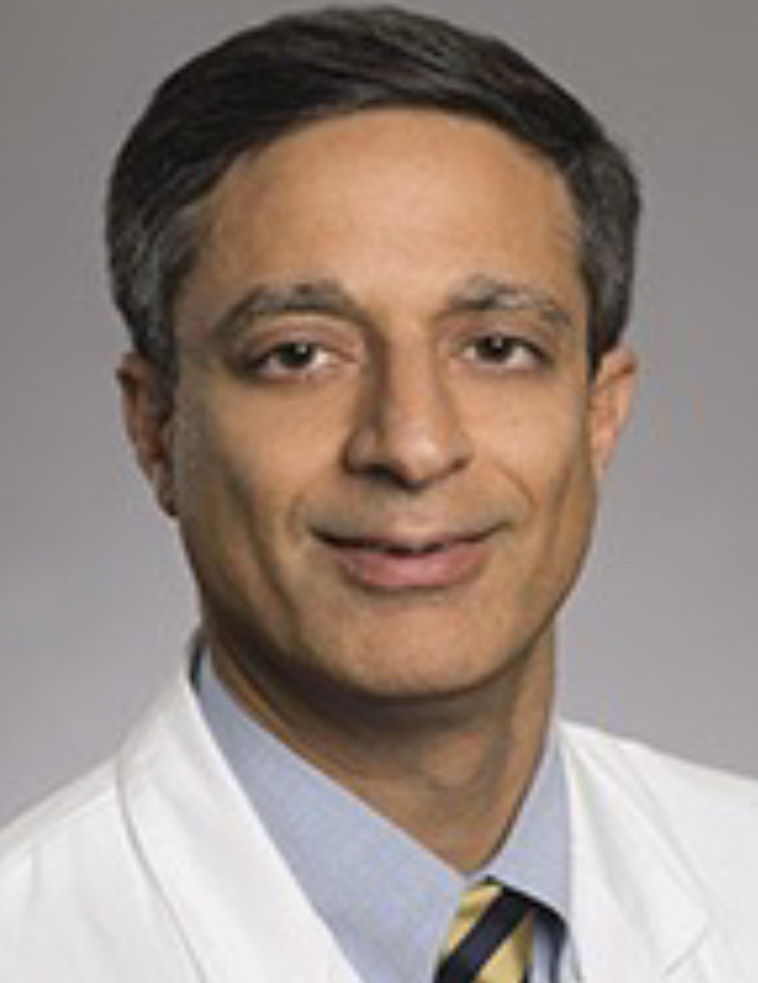
Sagar Lonial, MD, FACP
Chair and Professor
Department of Hematology and Medical Oncology
Anne and Bernard Gray Family Chair in Cancer
Emory University School of Medicine
Chief Medical Officer
Winship Cancer Institute of Emory University
Atlanta, GA
Dr. Sagar Lonial , MD, FACP is internationally recognized as a leading authority in multiple myeloma treatment and research. As a medical oncologist at the Winship Cancer Institute, Dr. Lonial treats patients with multiple myeloma and is a lead member of the bone marrow transplantation team and clinical trials team. He is board certified in hematology and medical oncology. Dr. Lonial is involved in numerous professional organizations including American Society of Clinical Oncology, American Society of Hematology, and American Society for Blood and Marrow Transplantation. He serves Vice Chair of the Finance Committee of the International Myeloma Society, and serves as Vice Chair of the Myeloma Committee in the Eastern Cooperative Oncology Group. He also serves as President and Chair of the Society of Hematologic Oncology. Additionally, he is on the Scientific Advisory Board for the International Myeloma Foundation. Dr. Lonial has worked in the field of immunotherapy and cancer since his arrival at Emory, and in the previous 3 years has spent time developing the B-cell malignancy program with respect to novel targeted agents in laboratory models as well as early clinical trials. His previous laboratory work has focused on evaluating the impact of purified dendritic cell subsets on the nature of immune responses against antigen, and he has completed several trials evaluating the impact of cytokines on dendritic cell content and post transplant immune recovery. Most recently, Dr. Lonial has focused on combinations of novel agents as therapy for myeloma and lymphoma, particularly evaluating combinations that may result in synergistic inhibition of the PI3-K/Akt pathway. His lab has recently received funding from the MMRF, the Lymphoma Research Foundation, and The Leukemia & Lymphoma Society.
Dr. Lonial earned his medical degree from the University of Louisville School of Medicine. He completed his internship and residency at Baylor College of Medicine in Houston, Texas, followed by a fellowship in hematology and oncology at Emory University School of Medicine in Atlanta, Georgia.
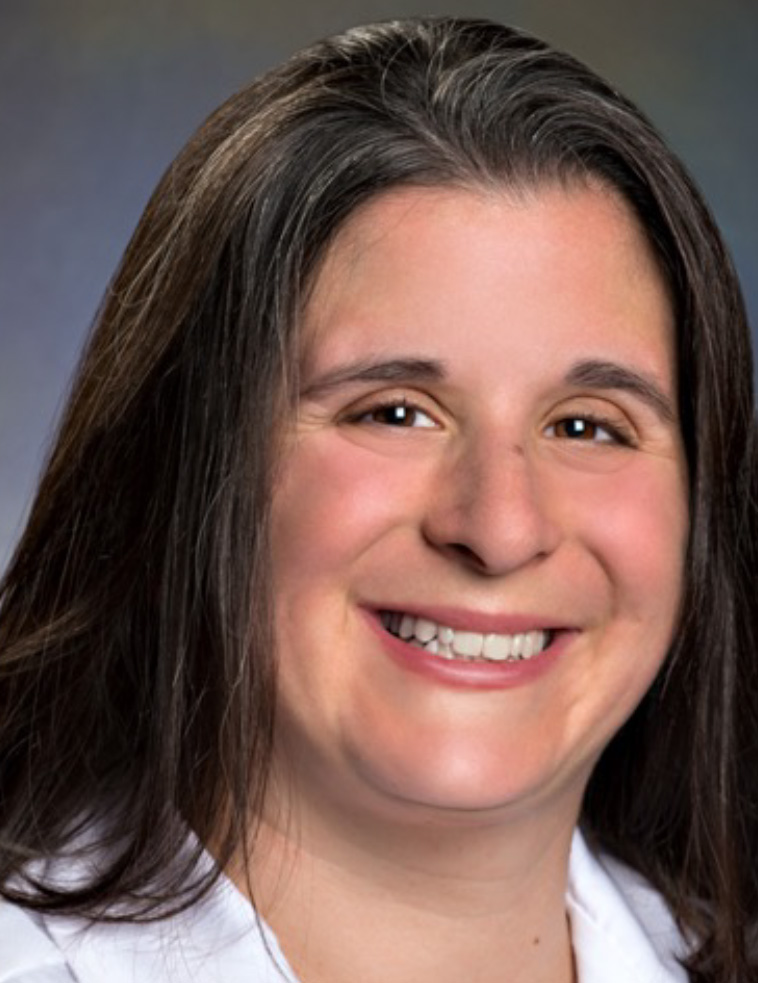
Marlise Luskin, MD, MSCE
Associate Professor of Medicine
Harvard Medical School
Senior Physician
Associate Program Director, Hematology/Oncology Fellowship Program
Educational Director, Adult Leukemia Program
Dana-Farber Cancer Institute
Boston, MA
Dr. Marlise Luskin, MD, MSCE, is a member of the Adult Leukemia Program at Dana-Farber Cancer Institute, where she focuses on the care of patients with acute and chronic leukemias. Her clinical interests include acute lymphoblastic leukemia, acute myeloid leukemia, chronic myeloid leukemia, blastic plasmacytoid dendritic cell neoplasm, and the care of young adults with acute and chronic leukemias. She earned her medical degree from the University of Pennsylvania Perelman School of Medicine and completed her residency in Internal Medicine at Brigham and Women’s Hospital, where she later served as Chief Medical Resident. She completed her fellowship in Hematology and Oncology at the University of Pennsylvania, where she also earned a Master’s degree in Clinical Epidemiology and served as Chief Fellow. Dr. Luskin joined Dana-Farber as a member of the Adult Leukemia Program and is actively involved in leading clinical trials. She also serves as Associate Program Director of the Dana-Farber/Mass General Brigham Hematology/Oncology Fellowship Program and as Education Director for the Adult Leukemia Program.
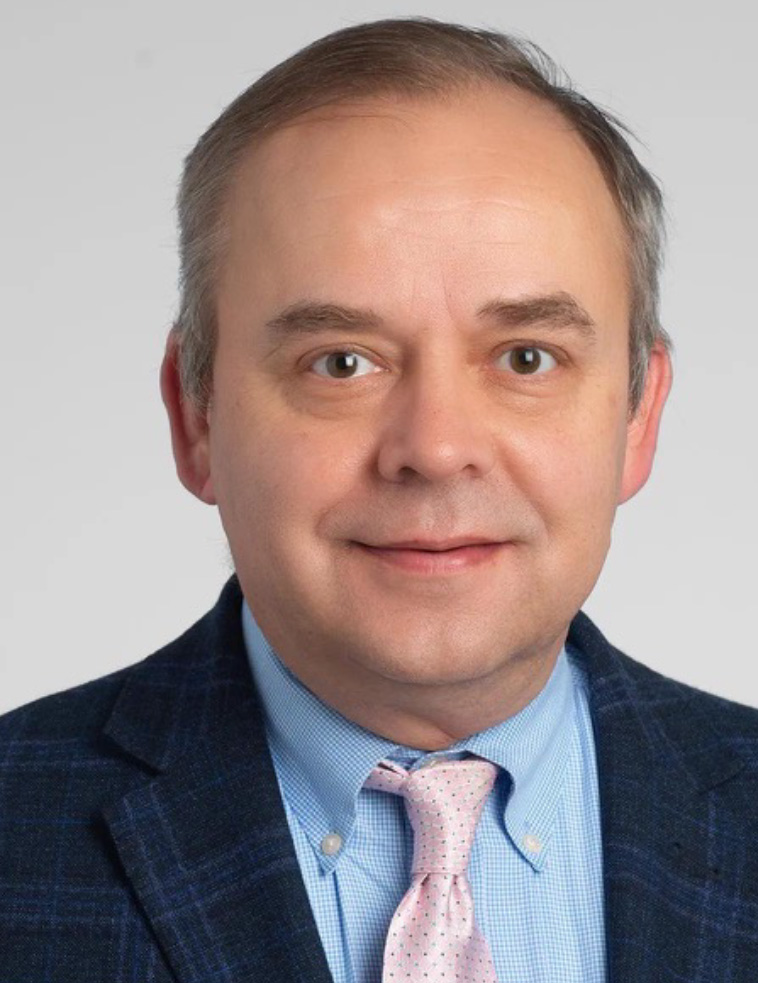
Jaroslaw Maciejewski, MD, PhD, FACP
Professor
Cleveland Clinic Lerner College of Medicine
Chairman, Department of Translational Hematology and Oncology Research
Cleveland Clinic Taussig Cancer Institute
Member, Cancer Genomics and Epigenomics Program
Case Comprehensive Cancer Center
Cleveland, OH
Dr. Jaroslaw Maciejewski, MD, PhD, FACP, is a Staff Physician in the Cleveland Clinic Department of Hematologic Oncology and Blood Disorders and is board certified in hematology and internal medicine. He also serves as Chairman of the Department of Translational Hematology and Oncology Research at the Taussig Cancer Institute and holds the academic rank of Professor of Medicine at the Cleveland Clinic Lerner College of Medicine of Case Western Reserve University. In the Case Comprehensive Cancer Center, Dr. Maciejewski is the Associate Director for Translational Research and a member of the Executive Committee.
Recognized for his scholarly achievements as a physician-scientist in hematology, Dr. Maciejewski is an elected member of the American Society for Clinical Investigation and the American Association of Physicians, and is a Fellow of the American College of Physicians. He serves on the Medical Advisory Board of the International Aplastic Anemia and Myelodysplastic Syndrome International Foundation (AA&MDS IF), is on the editorial board of Leukemia journal, and has been a reviewer for multiple NIH, DOD, and LLS study sections. He has also chaired the American Society of Hematology Scientific Committee for Myeloid Neoplasia and the AA&MDS IF Medical Advisory Board. His clinical expertise includes bone marrow failure syndromes including aplastic anemia, myelodysplastic syndrome, large granular lymphocyte leukemia, paroxysmal nocturnal hemoglobinuria, and pure red cell aplasia as well as myeloid leukemias. His work has been supported by AA&MDS IF, the Leukemia & Lymphoma Society, the Taub Foundation, the Evans MDS Foundation and the Department of Defense. He is currently funded through the Distinguished NIH Investigator (R35) Award. His scientific profile includes 42,000 citations, an H-index of 105, and an i10-index of 404.
Dr. Maciejewski attended medical school at the Medical School Charite, Humboldt University, Berlin, Germany receiving his medical degree and doctorate from the Institute for Medical Immunology at Humboldt University Medical School. He completed his internal medicine residency at the University of Nevada, School of Medicine in Reno, NV and Hematology Fellowship at the National Institutes of Health Medical Center, Bethesda, MD. He also completed his postdoctoral research fellowship at the Hematology Branch of the National Heart, Lung and Blood Institute (NHLBI) in Bethesda, MD where he later served as Staff Scientist before joining Cleveland Clinic in 2001 as Staff Physician and Section Head of Experimental Hematology.
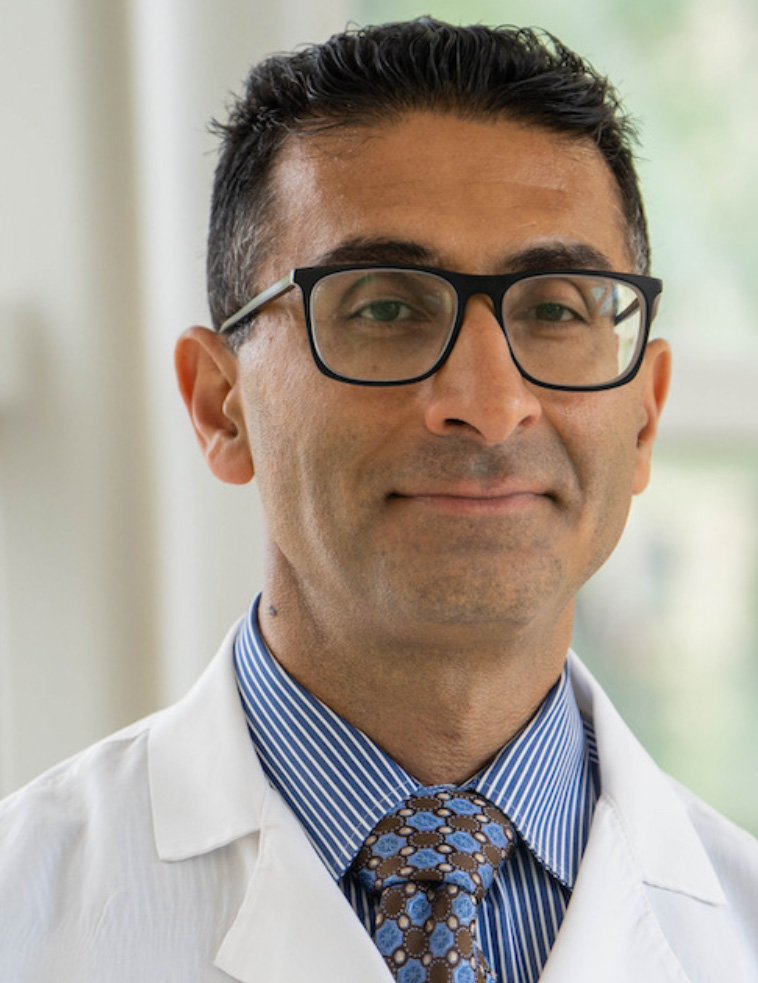
Ehsan Malek, MD
Associate Professor of Medicine
State University of New York at Buffalo
Associate Professor of Oncology
Roswell Park Comprehensive Cancer Center
Buffalo, NY
Dr. Ehsan Malek, MD, is an Associate Professor of Oncology at Roswell Park Comprehensive Cancer Center. He specializes in the comprehensive care of patients with multiple myeloma and a spectrum of plasma cell disorders, including monoclonal gammopathy of undetermined significance (MGUS), smoldering myeloma, amyloidosis, and high-risk disease. He earned his medical degree from Shahid Beheshti University of Medical Sciences in Tehran, Iran. He completed his residency in Internal Medicine at the University of Utah, followed by a fellowship in Hematology Oncology at the University of Cincinnati.
Dr. Malek’s research focuses on developing novel cellular and immune-based therapeutic strategies for multiple myeloma and plasma cell disorders. His work also investigates minimal residual disease (MRD) testing and precision approaches to identify patients whose conditions may progress from precursor states to active disease. He is particularly interested in improving outcomes for patients with complex or high-risk plasma cell disorders and advancing translational research that informs clinical decision-making.
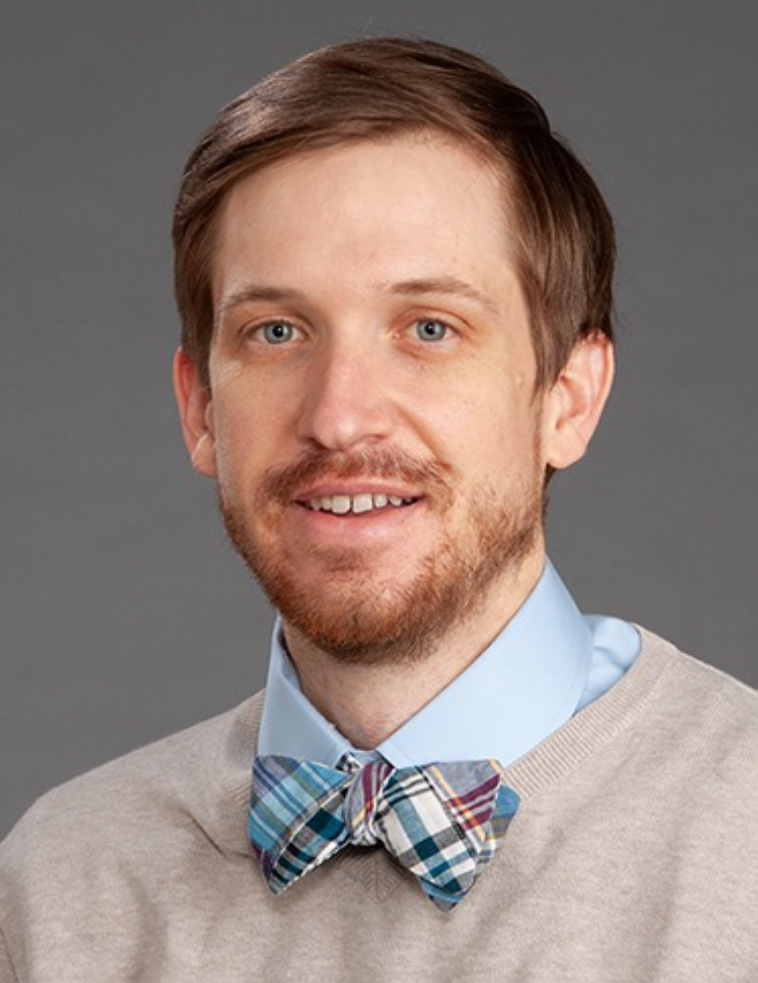
John Mckay, DO
Assistant Professor
Department of Hematology and Oncology
Wake Forest University School of Medicine
Winston Salem, NC
Dr. John Mckay, DO, is a native of South Florida. He went to undergrad at UVA, medical school at LECOM, residency at IU in Indianapolis, and fellowship at VCU. He has been at Wake Forest for 4.5 years and is currently the plasma cell lead. His wife, Lauren, is a geriatrician at Wake Forest, and they currently have two children, Liam (4) and Caroline (2).
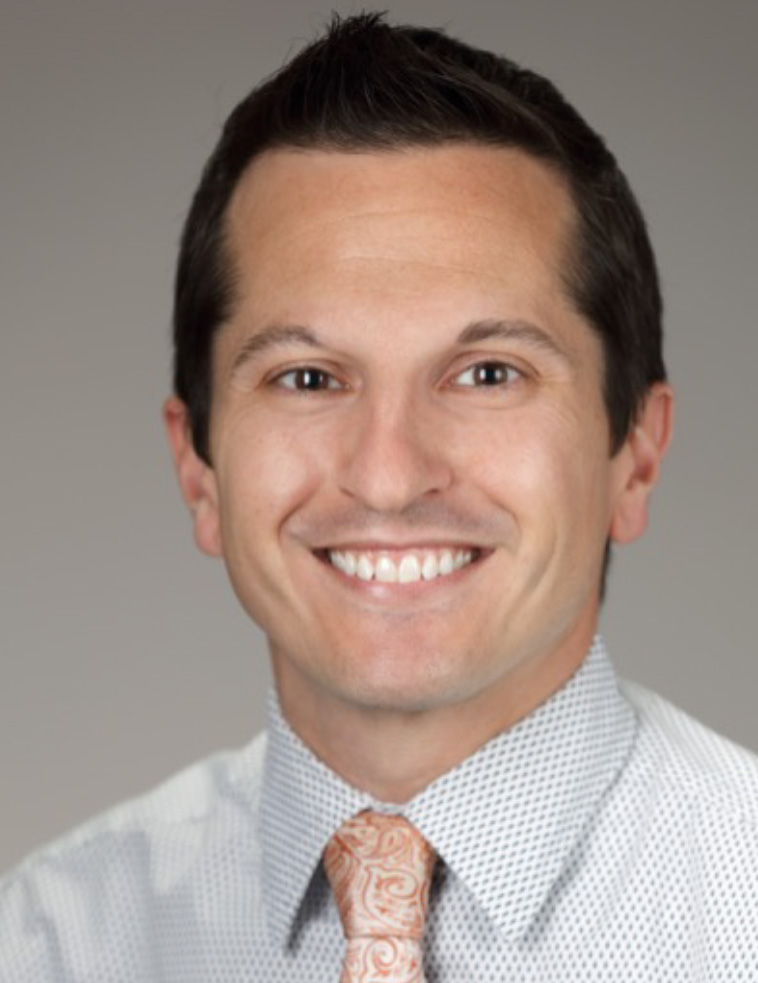
Christopher Melani, MD
Associate Research Physician
Clinical Director, Lymphoid Malignancies Branch
National Cancer Institute
National Institutes of Health
Bethesda, MD
Dr. Christopher Melani, MD, earned his B.S. in biology from The Pennsylvania State University in University Park, PA, in 2007. His medical training was conducted at Drexel University College of Medicine in Philadelphia, PA, where he earned his M.D. in 2011. Dr. Melani completed his internship and residency training at Johns Hopkins Hospital in Baltimore, MD, from 2011 to 2014. He then undertook his fellowship training in hematology and oncology at the National Cancer Institute in Bethesda, MD, from 2014 to 2017. Following fellowship training, Dr. Melani was hired as a faculty member in the Lymphoid Malignancies Branch of the National Cancer Institute under the mentorship of Dr. Wyndham H. Wilson and currently holds the position of Associate Research Physician and Clinical Director. Dr. Melani currently serves as Principal Investigator of multiple clinical studies utilizing novel targeted therapy combinations and/or immunotherapy for the treatment of B- and T-cell lymphomas and EBV-associated lymphoproliferative disorders.
Megan Melody, MD
Hematologist/Oncologist
Tampa General Hospital Cancer Center
Tampa, FL
Dr. Megan Melody, MD, is a malignant hematologist specializing in lymphoma and cellular therapy at Tampa General Hospital. She earned her medical degree from the USF Health Morsani College of Medicine, where she developed a deep interest in hematologic malignancies. Dr. Melody completed her residency in Internal Medicine at Mayo Clinic in Jacksonville, Florida, before finishing her fellowship in Hematology and Medical Oncology at McGaw Medical Center of Northwestern University in Chicago, Illinois. While at Northwestern, she gained specialized training in the treatment of complex blood cancers, including leukemia, lymphoma and multiple myeloma, with a particular focus in cellular therapy. Throughout her career, Dr. Melody has been dedicated to advancing the care of patients with hematologic cancers. She is actively involved in clinical research, focusing on developing new therapeutic strategies and improving patient outcomes.
Akil Merchant, MD
Associate Professor
Co-Director, Lymphoma Program
Director, Spatial Molecular Profiling Core
Staff Physician, Regenerative Medicine Institute
Cedars-Sinai
Los Angeles, CA
Dr. Akil Merchant, MD, is an Associate Professor at Cedars-Sinai. He earned his medical degree from Baylor College of Medicine and completed his residency at Baylor College of Medicine, followed by a fellowship at Johns Hopkins University.
Dr. Merchant’s research focuses on the interaction between cancer and the immune system, with a particular emphasis on the tumor microenvironment and its role in driving cancer progression and resistance to therapy. He is an expert in spatial profiling of the tumor microenvironment and is the founding director of the Spatial Molecular Profiling Core facility at Cedars-Sinai Cancer. Dr. Merchant’s clinical interests include the care of patients with leukemia, lymphoma, and other blood cancers. He serves as Co-Director of the Lymphoma Program and leads several clinical trials offering novel therapies for patients with hematologic malignancies. His ultimate goal is to better understand the immune response to cancer, predict response to immuno-oncology drugs and cellular therapies, and identify new therapeutic targets.
Roberto Mina, MD
Assistant Professor
Department of Hematology and Medical Oncology
Emory University School of Medicine
Winship Cancer Institute of Emory University
Atlanta, GA
Roberto Mina is Assistant Professor in the Department of Hematology and Medical Oncology at Emory University School of Medicine. Before joining Emory, he was on the faculty at the University of Turin in Italy. He studied medicine at the University of Torino and completed his residency in hematology at the same institution. He is involved in the design, development, and coordination of phase I, II, and III clinical trials for the treatment of multiple myeloma in collaboration with the European Myeloma Network (EMN).
Dr Mina’s main research focuses on the diagnosis and the clinical and experimental treatment of patients with multiple myeloma and associated disorders, particularly of transplant eligible and high-risk patients. His interests also include the use of new biological molecules and immunotherapeutic agents, CAR T-cell therapy. He is a member of EMN, EHA, and IMS. He is author and co-author of several publications in peer-reviewed journals.
Tarek Mouhieddine, MD
Instructor in Medicine
Harvard Medical School
Attending Physician & Clinical Investigator
Division of Plasma Cell Neoplasias
Dana-Farber Cancer Institute
Boston, MA
Dr. Tarek Mouhieddine, MD, is a physician–scientist and clinical investigator in the Division of Plasma Cell Neoplasias at the Dana-Farber Cancer Institute and an Instructor in Medicine at Harvard Medical School. He specializes in Multiple Myeloma (MM) and Waldenström macroglobulinemia (WM), as well as their precursor conditions, with a research focus on tumor immunology and resistance mechanisms to T cell–redirecting therapies, including CAR T-cell therapy and bispecific antibodies.
Dr. Mouhieddine received his MD from the American University of Beirut, after which he joined the laboratory of Dr. Irene Ghobrial at Dana-Farber, where he studied the immune microenvironment and early disease progression in plasma cell disorders. He then completed his Internal Medicine residency and Hematology/Oncology fellowship at the Icahn School of Medicine at Mount Sinai, where he trained on the physician–scientist pathway and conducted translational research in MM in the laboratory of Dr. Samir Parekh. His research integrates tumor genomics, immune profiling, and translational clinical studies to develop more effective, personalized immunotherapy strategies. He is actively involved in the design of early-phase clinical trials and correlative studies aimed at improving outcomes for patients with MM and WM.
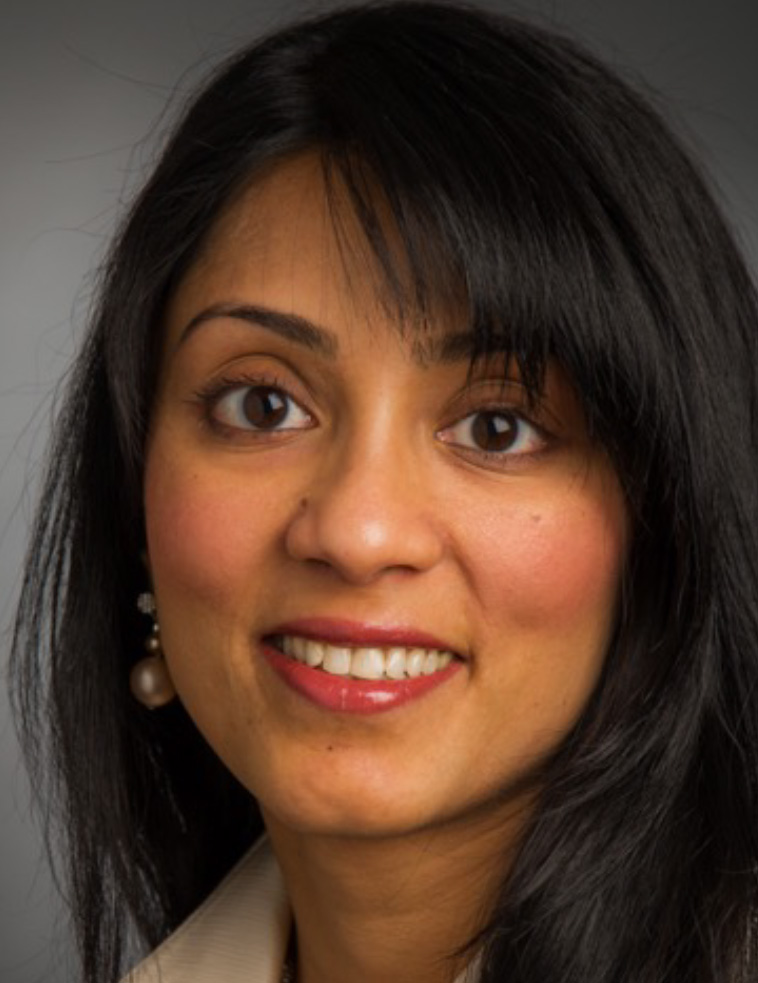
Lakshmi Nayak, MD
Associate Professor of Neurology
Harvard Medical School
Director, Center for CNS Lymphoma
Director of Research, Center for NeuroOncology
Senior Physician
Dana-Farber Cancer Institute
Boston, MA
Dr. Lakshmi Nayak, MD, serves as Director of the Center for Central Nervous System (CNS) Lymphoma and Clinical Research Director of the Center for NeuroOncology at Dana-Farber Cancer Institute in Boston. She is an Associate Professor of Neurology at Harvard Medical School. She received her medical degree from Grant Medical College in Mumbai, India. She completed her residency at New York Presbyterian Hospital/Cornell campus, and fellowship at Memorial Sloan-Kettering Cancer Center in New York.
Dr. Nayak’s research includes development of novel therapies through preclinical and clinical studies for management of brain tumors, including primary CNS lymphoma and high-grade gliomas. She has published more than 100 papers in international, peer-reviewed journals and is actively involved in teaching, training, and research activities. She has developed several Phase I and II trials using combinations of molecular targeted agents and immunotherapies, including checkpoint inhibitors and CAR T cells, for treatment of CNS lymphomas and glioblastomas. She leads the International Neurologic Assessment in Neuro-Oncology (NANO) effort in collaboration with key leaders in neuro-oncology, which led to the development of a standardized outcome-assessment scale to objectively evaluate neurologic function in patients with brain tumors.
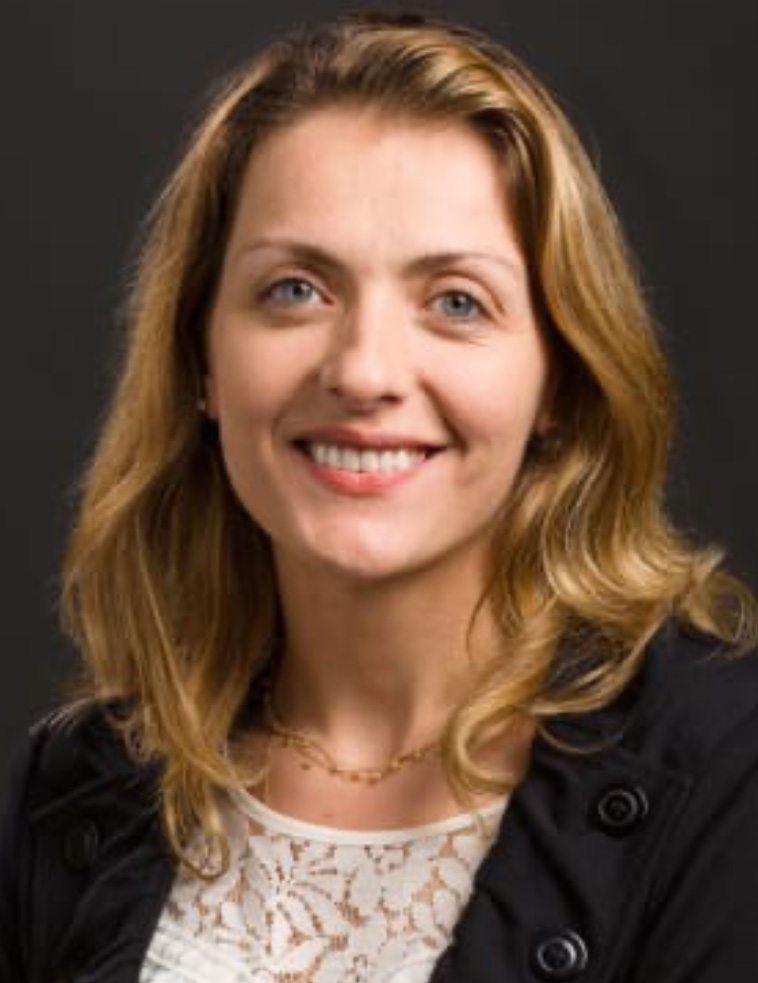
Natalia Neparidze, MD
Associate Professor of Internal Medicine, Hematology
Research Leader, Myeloma Program, Hematology
Yale University School of Medicine
Smilow Cancer Hospital
New Haven, CT
Dr. Natalia Neparidze, MD, is an Associate Professor of Internal Medicine (Hematology) at Yale School of Medicine and a medical oncologist and hematologist who specializes in the care of patients with multiple myeloma, monoclonal gammopathies, AL amyloidosis, and Waldenstrom’s macroglobulinemia. She earned her medical degree from Aieti Medical School in Tbilisi, Georgia, in 2000. She subsequently completed postdoctoral research fellowships at Emory, Northwestern, and Yale Universities, followed by an Internal Medicine residency and a Hematology/Medical Oncology fellowship at Yale University. She has served as an Assistant Professor at Yale University School of Medicine since 2012.
Dr. Neparidze’s research focuses on multiple myeloma and related plasma cell disorders, including the development of investigator-initiated therapeutic clinical trials and clinical outcomes studies. She collaborates with researchers nationally and internationally and serves as a principal investigator and co-principal investigator on multiple therapeutic clinical trials. She also leads the Yale Myeloma Research Team. Her ongoing research includes the use of advanced imaging and evaluation of tumor heterogeneity to enhance precision medicine approaches in myeloma, the development of novel combination immunotherapy strategies and MRD-driven therapies, and the study of the biology and clinical outcomes of monoclonal gammopathies in association with metabolic, viral, and other comorbidities, as well as mechanisms of tumor progression and resistance in myeloma. Dr. Neparidze is actively involved in the educational process at Yale, teaching hematology/oncology fellows, medical students, residents, and colleagues in both academic and community settings.
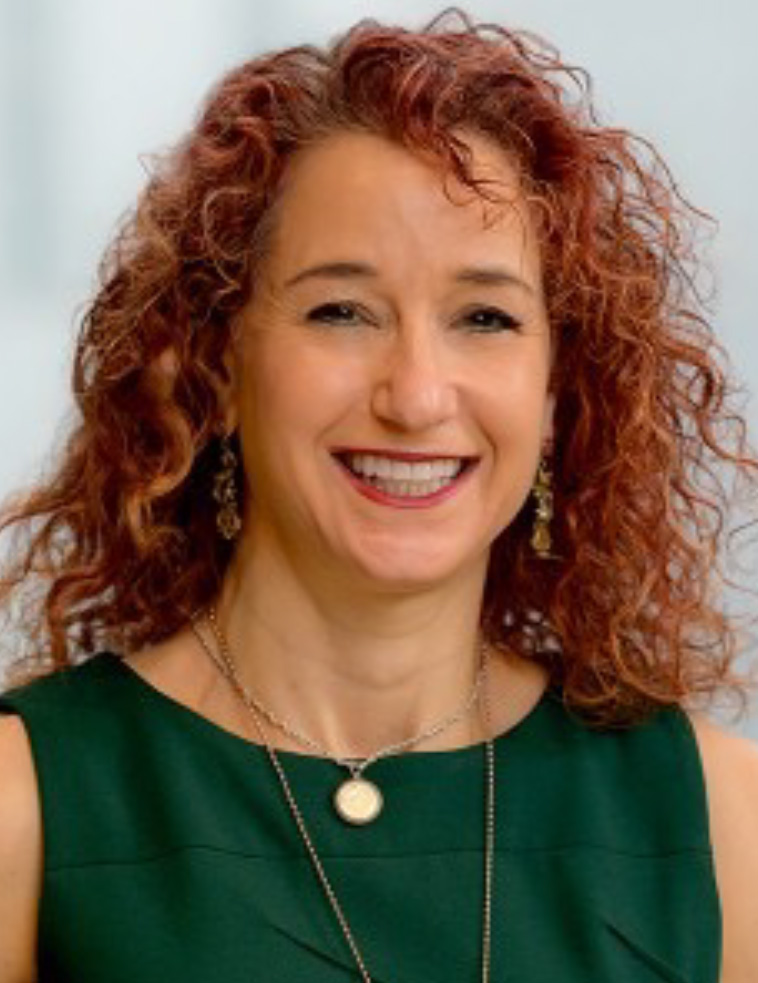
Ariela Noy, MD
Professor of Medicine
Weill-Cornell Medical College
Attending Physician and Member, Lymphoma Service
Memorial Sloan Kettering Cancer Center
New York, NY
Dr. Ariela Noy, MD, is a medical oncologist at Memorial Sloan Kettering Cancer Center (MSKCC) who specializes in the treatment of lymphoid malignancies. Dr. Noy earned her medical degree at the University of Pennsylvania. She subsequently completed an internal medicine residency at Columbia Presbyterian Medical Center and a hematology/medical oncology fellowship at Memorial Sloan Kettering Cancer Center and Weill Cornell Medical College. Dr. Noy works as part of a multidisciplinary team to care for patients with Hodgkin and non-Hodgkin lymphoma, as well as other cancers of the lymphoid immune system. Her research interests focus on new treatments, especially in Burkitt lymphoma and hematologic malignancies affecting people living with HIV. Her work in targeted treatment options for marginal zone lymphoma led to an approval by the U.S. Food and Drug Administration.
In addition to her clinical and research work at MSKCC, Dr. Noy has served as Chair of the Lymphoma Working Group for the AIDS Malignancy Consortium, a National Cancer Institute-sponsored research group. She also served on the National Institutes of Health Committee that oversaw the National Cooperative Group lymphoma research agenda, and she is a member of the NCCN Guidelines and NCCN Chemotherapy Order Templates (NCCN Templates®) Committee. She served as an ASH Consult a Colleague for about a decade. She is an active member of the Castleman Disease Collaborative Network and was awarded Physician Warrior of the Year in 2025. Dr. Noy has served on several institutional committees, including the MSKCC Fertility Advisory Committee, Promotions Advisory Committee, and the MSKCC Quality Assurance Committee for both the Department of Medicine and the Department of Radiology. Additionally, Dr. Noy serves in a mentorship capacity for pre-admission students, medical students, residents, and fellows.
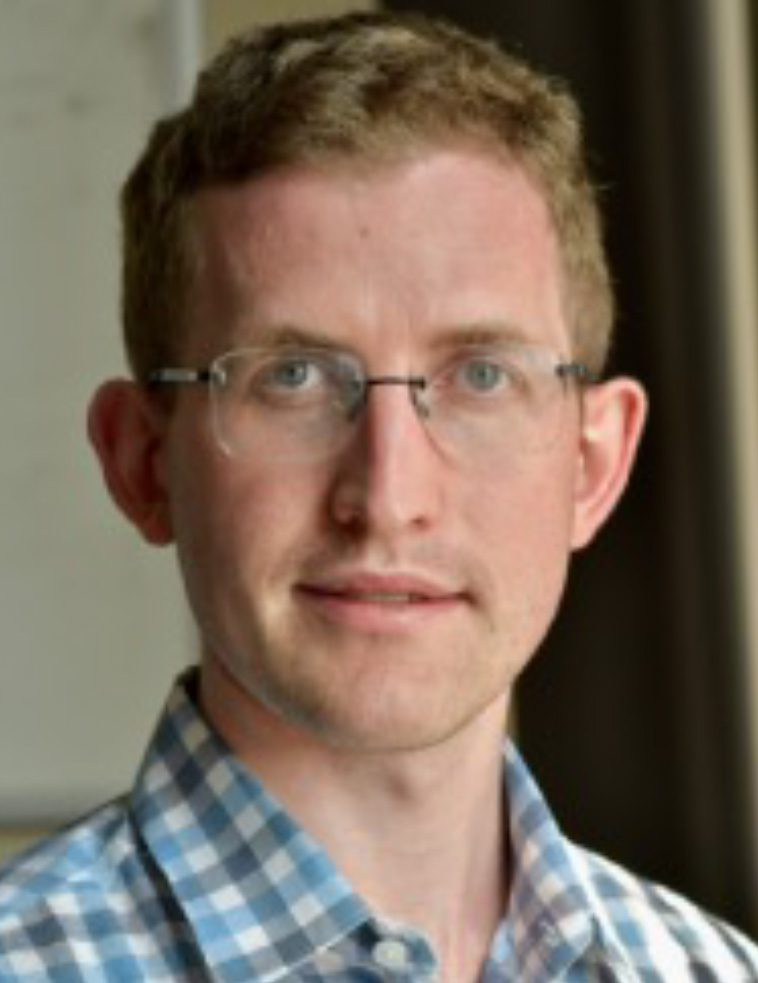
Daniel O’Leary, MD
Assistant Professor, Division of Hematology, Oncology and Transplantation
The University of Minnesota
Minneapolis, MN
Dr. Daniel J. O’Leary, MD, is an Assistant Professor of Medicine in the Division of Hematology, Oncology and Transplantation. He specializes in the treatment of blood cancers, including multiple myeloma, lymphoma, and leukemia. His clinical practice focuses on the use of chemotherapy, immunotherapy, cellular therapy, and bone marrow transplantation. Dr. O’Leary earned his medical degree from Tufts University School of Medicine in 2016. He completed his residency in Internal Medicine at the University of Minnesota in 2019, followed by a fellowship in Hematology and Oncology at the University of Minnesota in 2022.
Zulfa Omer, MD
Assistant Professor of Clinical
University of Cincinnati
Cincinnati, OH
Dr. Zulfa Omer, MD, is an Assistant Professor of Clinical at the University of Cincinnati specializing in hematology and oncology. She focuses on the care and management of patients with bone marrow cancers and chronic lymphocytic leukemia. Dr. Omer earned her MBBS from the University of Khartoum in 2014.
Barry Paul, MD
Assistant Professor of Cancer Medicine
Wake Forest University School of Medicine
Section of Plasma Cell Disorders, Division of Hematology
Atrium Health Levine Cancer Institute
Member
Atrium Health Wake Forest Baptist Comprehensive Cancer Center
Charlotte, NC
Dr. Barry Paul, MD, is an Assistant Professor of Cancer Medicine at Wake Forest University School of Medicine in the Division of Hematology at Atrium Health Levine Cancer Institute. His research focuses on mechanisms of acquired resistance to myeloma therapies and the development of novel drugs and clinical trials aimed at reversing resistance. He has worked in all areas of drug development in both academic and industry settings and has experience with all phases of clinical trials.
He received his medical degree at the University of Miami and completed his residency at the University of North Carolina and a hematology and oncology fellowship at Duke University. He currently practices at Levine Cancer Institute in Charlotte, NC.
Romanos Sklavenitis Pistofidis, MD, PhD
Founder, Predicta Biosciences
Cambridge, MA
Assistant Professor, Department of Integrative Translational Sciences
Judy & Bernard Briskin Center for Multiple Myeloma Research, Beckman Research Institute
Assistant Professor, Irell & Manella Graduate School of Biological Sciences
Adjunct Assistant Professor, Division of Clinical Genomics and Therapeutics
Translational Genomics Research Institute
City of Hope
Duarte, CA
Dr. Romanos Sklavenitis Pistofidis, MD, PhD, is an Assistant Professor in the Department of Integrative Translational Sciences at Beckman Research Institute of City of Hope, in Duarte, California, and the Judy & Bernard Briskin Center for Multiple Myeloma Research. He is also a faculty member at the Irell & Manella Graduate School of Biological Sciences, an Adjunct Assistant Professor in the Division of Clinical Genomics and Therapeutics at the Translational Genomic Research Institute (TGen) of City of Hope, a Program Member of the Hematological Malignancies Program at the City of Hope Comprehensive Cancer Center, and a Visiting Scientist at the Broad Institute of MIT and Harvard.
Dr. Sklavenitis Pistofidis’s research focuses on leveraging multi-omics and functional genomic approaches to characterize tumor and immune biology and establish biologically informed decision-making in the clinical care of patients with Multiple Myeloma, Waldenstrom’s macroglobulinemia, and other blood cancers. He received his Doctor of Medicine, graduating summa cum laude, from the Aristotle University of Thessaloniki in Thessaloniki, Greece. In 2016, he moved to the Dana-Farber Cancer Institute and the Broad Institute of MIT and Harvard, in Boston, Massachusetts, where he completed his Ph.D. and postdoctoral training in computational biology, cancer biology, and immunology. His research has been recognized with many awards from organizations such as the International Myeloma Society, the American Society for Clinical Investigation, and the International Waldenstrom’s Macroglobulinemia Foundation. In 2024, he co-founded PreDICTA Biosciences, a biotech startup that leverages next-generation assays to transform prognosis and therapy selection for patients with Multiple Myeloma and other blood cancers.
Shambavi Richard, MD
Associate Professor of Medicine
Director of Myeloma CAR-T Research Program and Stem Cell Transplant
Tisch Cancer Institute
Icahn School of Medicine at Mount Sinai
New York, NY
Dr. Shambavi Richard, MD, is Associate Professor of Medicine (Hematology and Medical Oncology) with The Center of Excellence for Multiple Myeloma. She sees multiple myeloma patients at the Ruttenberg Treatment Center at The Mount Sinai Hospital. Dr. Richard is the Director of the CAR-T Research Program and Stem Cell Transplant for Multiple Myeloma. In this capacity she leads innovative research approaches for the Myeloma CAR-T Program. Dr. Richard applies a multidisciplinary approach for each of her patients alongside her collaborative team members.
In practice for more than 20 years, Dr. Richard has extensive experience in transplantation for multiple myeloma. She is a principal investigator and is involved in several Phase 1, Phase 2, and first-in-human clinical trials in multiple myeloma with a focus on several novel therapies, including antibody-based therapies, immunotherapy, and targeted therapy treatment approaches. The Multiple Myeloma Program has played a pivotal role in the approval of several recent drugs that are now FDA-approved for the treatment of multiple myeloma.
Jacalyn Rosenblatt, MD
Associate Professor in Medicine
Harvard Medical School
Attending Physician
Associate Chief, Division of Hematology and Hematological Malignancies
Medical Director, Cellular Immunotherapy Cell Manipulation Facility
Beth Israel Deaconess Medical Center
Boston, MA
Dr. Jacalyn Rosenblatt, MD, is an Associate Professor in Medicine at Harvard Medical School and Associate Chief of the Division of Hematology at Beth Israel Deaconess Medical Center, where she also serves as Medical Director of the Cellular Immunotherapy Cell Manipulation Facility. She earned her medical degree from McGill University Faculty of Medicine and completed her residency and fellowship at McGill University Faculty of Medicine, followed by an additional fellowship at Beth Israel Deaconess Medical Center. Dr. Rosenblatt’s clinical interests include all bone marrow transplant services, CAR T-cell therapy, cellular therapy, immunotherapy, and multiple myeloma.
David Sallman, MD
Associate Professor, Department of Oncologic Sciences
University of South Florida
Associate Member
Leukemia Section Head
Department of Malignant Hematology
H. Lee Moffitt Cancer Center and Research Institute
Tampa, FL
Dr. David Sallman, MD, is currently at the H. Lee Moffitt Cancer Center & Research Institute and the University of South Florida and has clinical interests in MDS, AML, and myeloproliferative neoplasms. His research interests focus on the development of novel targeted therapeutic strategies for patients with MDS and AML. Specifically, he studies the genetic drivers of myeloid diseases to improve prognostication for patients and to allow for more personalized treatment. He has published significantly on this topic, including recently in leading journals such as Leukemia, Blood, and Journal of Clinical Oncology. These works are the foundation of clinical trials and translational studies designed to improve the QOL and survival of patients with MDS and AML. He is the PI for multiple ongoing studies focused on higher-risk MDS and has authored or coauthored numerous articles, books, book chapters, and abstracts, and serves as a reviewer for multiple journals.
Bijal Shah, MD, MS
Professor, Department of Oncologic Sciences
University of South Florida
Senior Member
Clinical Research Medical Director, Malignant Hematology
H Lee Moffitt Cancer Center
Tampa, FL
Dr. Bijal Shah, MD, MS, is a Senior Member in the Malignant Hematology Department at H. Lee Moffitt Cancer Center and Research Institute. He serves as the Clinical Leader for Mantle Cell Lymphoma (MCL) and Acute Lymphocytic Leukemia (ALL) and is the Clinical Research Medical Director within the Department of Malignant Hematology. He earned his medical degree from the University of South Florida, completed his residency at Duke University, and a fellowship at Moffitt Cancer Center
Mansi Shah, MD
Associate Professor of Medicine
Clinical Director of Multiple Myeloma
Rutgers Cancer Institute
New Brunswick, NJ
Dr. Mansi Shah, MD, is an Associate Professor of Medicine and Clinical Director of Multiple Myeloma at Rutgers Cancer Institute. She specializes in the care of people living with multiple myeloma and other plasma cell disorders. She earned her medical degree from Rutgers Robert Wood Johnson Medical School and completed her residency in Internal Medicine at Thomas Jefferson University Hospitals, followed by a fellowship in Hematology-Oncology at Rutgers Robert Wood Johnson Medical School.
Dr. Shah’s clinical focus includes advancing treatment through cellular therapies such as CAR-T and bispecific antibodies for patients with multiple myeloma and plasma cell disorders. At Rutgers Cancer Institute of New Jersey, the state’s only NCI-designated Comprehensive Cancer Center, Dr. Shah is part of a team providing access to innovative clinical trials and the latest therapeutic approaches while maintaining a patient-centered approach to care.
Aditi Shastri, MBBS
Associate Professor
Department of Oncology
Department of Medicine
Department of Developmental & Molecular Biology
Montefiore Einstein Comprehensive Cancer Center
Albert Einstein College of Medicine
Bronx, NY
Dr. Aditi Shastri, MBBS, is an Associate Professor in the Department of Oncology, Department of Medicine, and Department of Developmental & Molecular Biology at the Montefiore Einstein Comprehensive Cancer Center, Albert Einstein College of Medicine, Bronx, NY. She is a board-certified hematologist and medical oncologist specializing in the care of patients with hematologic malignancies, including myelodysplastic syndromes (MDS), acute myeloid leukemia (AML), and aplastic anemia (AA).Dr. Shastri’s research focuses on exploring novel treatment approaches for myelodysplastic syndromes and acute myeloid leukemia, particularly following failure of therapy with hypomethylating agents, with a specific emphasis on therapeutically targeting the transcription factor STAT3. Her research interests also include cancer stem cells, transcription factors, RNA biology, and therapeutic interference. Her work has been supported by the NIH Paul Calabresi Career Development Award (K12), the Leukemia & Lymphoma Society (LLS)-TRP Award, and the MDS Foundation Gilbert Bruce Smith Young Investigator Award. She has published original research and reviews in leading peer-reviewed journals including Blood, JCI, Nature Reviews Cancer, and Lancet Hematology, and has been an invited speaker at national and international conferences.
Ariel Siegel, MD
Hematology-Oncology Fellow
Icahn School of Medicine at Mount Sinai
New York, NY
Dr. Ariel Siegel, MD, is a senior hematology-oncology fellow at the Icahn School of Medicine at Mount Sinai and will be joining the multiple myeloma program at Dana-Farber Cancer Institute in August 2026. Her work focuses on immunologic dysfunction in multiple myeloma, particularly infectious complications associated with bispecific antibody therapy and their relationship to T-cell fitness and immune dysregulation. Her research aims to better understand treatment-related vulnerabilities by integrating clinical outcomes with immune profiling.
David Siegel, MD, PhD
Founding Director
Multiple Myeloma Institute
Center for Discovery & Innovation
Chief, Myeloma Division
The John Theurer Cancer Center
Hackensack University Medical Center
Hackensack, NJ
David S. Siegel, MD, PhD, is one of the nation’s foremost authorities on multiple myeloma. His research has almost exclusively focused on multiple myeloma, Waldenstrom’s macroglobulinemia, and AL amyloidosis and has been published in many leading medical journals, including Nature, New England Journal of Medicine, Blood, and Journal of Clinical Oncology. He served as the lead investigator of the pivotal phase Ib study involving 30 cancer centers in North America that led to the U.S. Food and Drug Administration’s fast-track approval of Kyprolis (carfilzomib) for recurrent multiple myeloma. Dr. Siegel is one of 11 investigators nationwide who brought Velcade (bortezomib) to multiple myeloma patients through his clinical trials showing that this medication slows and halts the progression of multiple myeloma. He has also been involved in clinical trials that led to the approval of Thalomid (thalidomide), Revlimid (lenalidomide), Pomalyst (pomalidomide), Ninlaro (ixazomib), Empliciti (elotuzumab), and Farydak (panobinostat).
Dr. Siegel is the founding Director of the Multiple Myeloma Institute. He and his team collaborate with other scientists and clinical researchers to pioneer critical therapies to treat patients with multiple myeloma. Dr. Siegel has also led John Theurer Cancer Center’s development of a program to offer CAR T-cell therapy to patients with multiple myeloma. With this immunotherapy, T cells are removed from the patient, genetically modified, multiplied, and returned to the patient to find and kill myeloma cells. Dr. Siegel is also a member of the Multiple Myeloma Research Consortium (MMRC) Steering Committee.
Dr. Siegel earned his medical degree from the New York University School of Medicine and completed his residency in Internal Medicine at New York University/Bellevue Medical Center, followed by a fellowship in Hematology/Oncology at Memorial Sloan Kettering Cancer Center.
Andrea Sitlinger, MD
Assistant Professor of Medicine
Duke University Health
Vice Chair of Clinical Operations for HMCT
Medical Director for Outpatient Malignant Hematology Clinic
Associate Program Director Hematology/Oncology Fellowship
Hematologic Malignancies and Cellular Therapy
Duke Cancer Institute
Durham, NC
Dr. Andrea Sitlinger, MD, is an Assistant Professor of Medicine in the Division of Hematologic malignancies and Cellular therapy at Duke Cancer Institute. She specializes in the care of CLL and other mature B cell lymphomas. Her goal is to provide the best care possible for patients with blood cancers and their families. She strives to optimize the treatment for each patient based on the latest research as well as each patient’s own unique situation and goals. She also hopes to improve the care of cancer patients through access to clinical trials and ongoing outcomes-based research. Her research focuses on understanding and improving physical function/fitness, resiliency, survivorship care, and financial toxicity for cancer patients.
Dr. Sitlinger received her medical degree from University of Cincinnati College of Medicine. She completed her residency in internal medicine and fellowship in Hematology/Oncology from Duke University Medical Center.
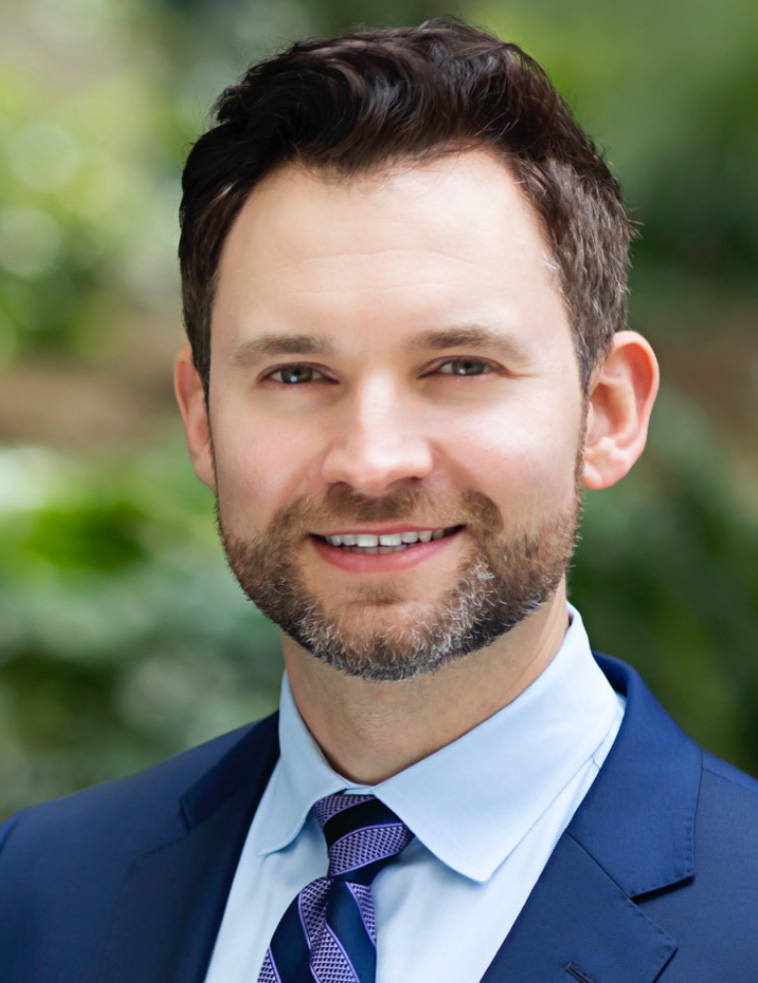
Michael Spinner, MD
Clinical Assistant Professor of Medicine
Hematology, Blood & Marrow Transplant, and Cellular Therapy
UCSF Helen Diller Family Comprehensive Cancer Center
San Francisco, CA
Dr. Michael Spinner, MD, is an Assistant Professor of Medicine in the Division of Hematology/Oncology at UCSF. He specializes in the treatment of lymphoma with a particular interest in Hodgkin lymphoma, diffuse large B-cell lymphoma, immunotherapy, genomics, and precision oncology. He received his medical degree from Vanderbilt University and completed his internal medicine residency and hematology/oncology fellowship at Stanford.
He has served as Principal Investigator on numerous cooperative group, industry-sponsored, and investigator-initiated trials in lymphoma with a focus on novel immunotherapies and ctDNA-guided therapy. Nationally, he serves on the NCCN Guidelines Committee for Hodgkin lymphoma and the Transplantation & Cell-Based Therapies Committee of the Alliance Cooperative Group.
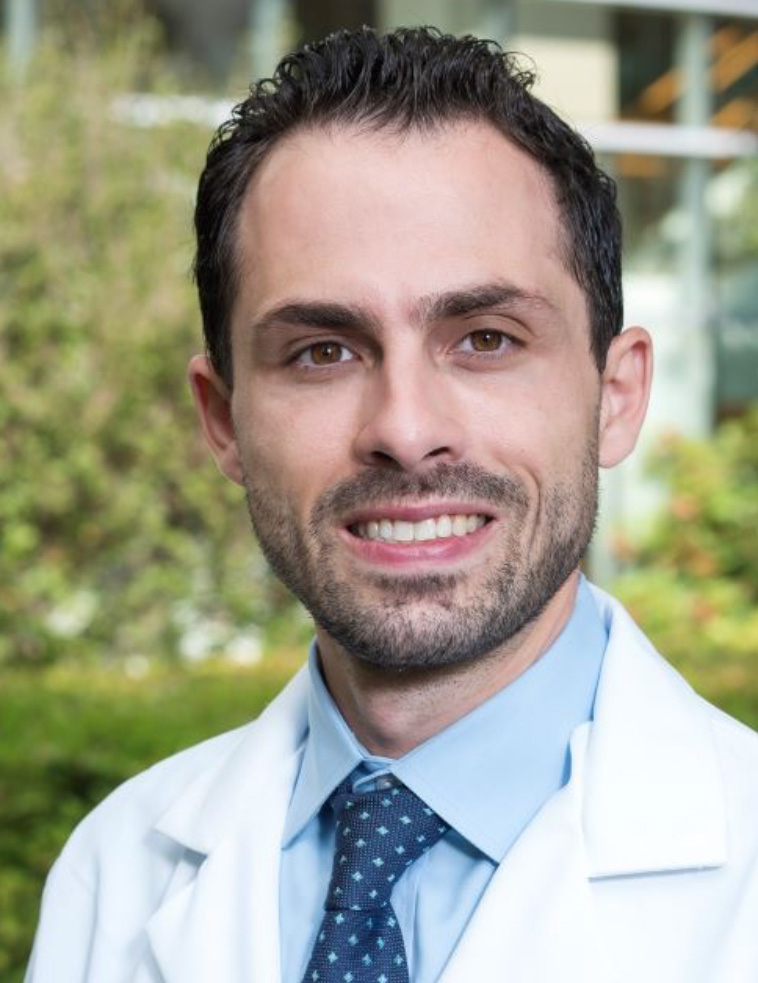
Anthony Stack, DO
Assistant Professor
Department of Bone Marrow Transplant & Cellular Therapies
Fox Chase Cancer Center at Temple University Hospital
Philadelphia, PA
Dr. Anthony Stack, DO, is an Assistant Professor in the Department of Bone Marrow Transplant and Cellular Therapies at the Blood Cancer and Cellular Therapy Institute, Fox Chase Cancer Center/Temple University Health System. He is a board-certified hematologist and medical oncologist who specializes in the care of patients with lymphoma, with a focus on cellular therapy and hematopoietic stem cell transplantation.
Dr. Stack’s research focuses on improving outcomes after cellular and immune-based therapies for hematologic malignancies, with particular emphasis on CAR-T therapy in lymphoma. His work has examined real-world CAR-T outcomes, lymphodepletion strategies, toxicity mitigation, immune effector cell–associated neurotoxicity, lymphocyte kinetics, and predictors of response and relapse after cellular therapy. He has also published on the biology of CAR-T cell exhaustion in non-Hodgkin lymphoma, with an emphasis on mechanisms of T-cell dysfunction and emerging strategies to improve CAR-T persistence and durability. He has received institutional research support for studies of T-cell fitness and immune activation in patients receiving T-cell–redirecting therapies and has presented or co-authored multiple abstracts at national and international meetings, including ASH, ASCO, EBMT, EHA, TCT, and ICML. Dr. Stack is also actively involved in mentoring residents and fellows on lymphoma, CAR-T, and real-world outcomes research projects.
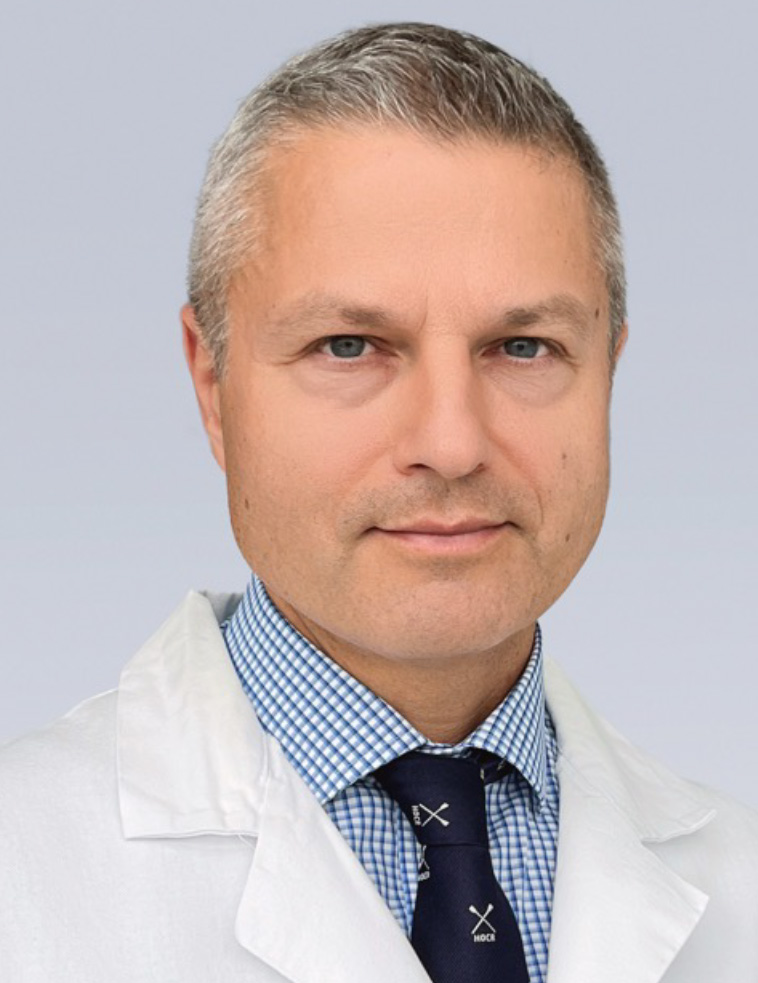
Jakub Svoboda, MD
Associate Professor of Medicine
Co-Chair, Lymphoma Tumor Board and Case Conference
Member, Data Safety Monitoring Committee
Abramson Cancer Center
Hospital of the University of Pennsylvania
Philadelphia, PA
After graduating from Yale School of Medicine, Dr. Jakub Svoboda, MD, completed his internal medicine and hematology-oncology training at the University of Pennsylvania. He is currently an Associate Professor of Medicine at the University of Pennsylvania, where his academic work integrates clinical research, patient care, and teaching. His research is focused on improving outcomes for patients with lymphoma, particularly those with relapsed or refractory disease. His overarching goal is to develop more effective and less toxic therapies, with an emphasis on immune-based and cellular approaches. As a principal investigator, he leads multiple clinical trials evaluating novel agents, immunoconjugates, and cellular therapies across diverse lymphoma subtypes. In parallel, he conducts translational research aimed at identifying and validating biomarkers that predict treatment response, with the goal of enabling more precise, individualized therapy for patients with lymphoma.
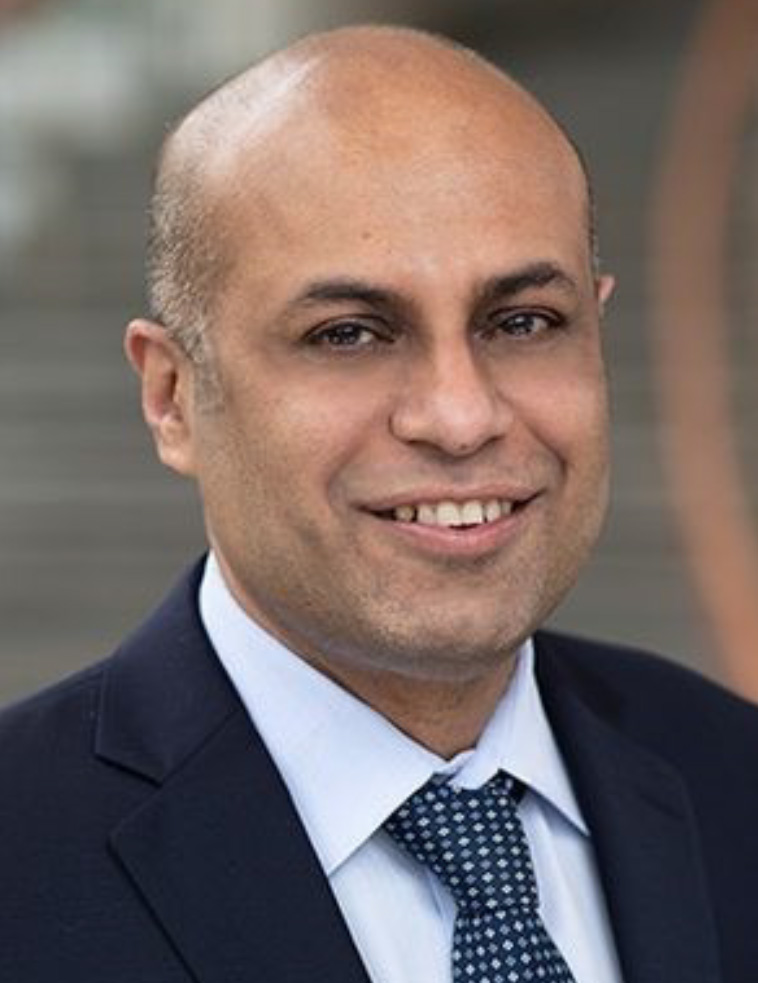
Amit Verma, MD
Professor, Medicine, Oncology, Developmental and Molecular Biology
Director, Division of Hemato-Oncology
Susan Resnick Fisher Academic Chair in Brain Cancer Research
Interim Chairman, Department of Oncology
Albert Einstein College of Medicine
Associate Director, Translation
Co-Leader, Cell Growth & Differentiation Program
Montefiore Einstein Comprehensive Cancer Center
Bronx, NY
Dr. Amit Verma, MD, is Professor of Medicine and Oncology and Chair of the Department of Oncology at the Albert Einstein College of Medicine. He is the Associate Director of Translation at the Montefiore Einstein Comprehensive Cancer Center. His lab has explored the pathogenesis of myeloid disorders including clonal hematopoiesis, CMML, and MDS using genomic and functional assays and described cellular and molecular alterations in these diseases. His lab has developed biomarkers using single-cell technologies performed on primary samples. He has also studied the effects of COVID-19 and environmental exposures on outcomes and pathogenesis of blood cancers. He has also been actively engaged in early-phase clinical trials that are investigating novel agents for CH, MDS, and AML.
Michael Williams, MD
Byrd S. Leavell Professor of Medicine
Professor of Pathology
The University of Virginia School of Medicine
Charlottesville, VA
Dr. Michael Williams, MD, is the Byrd S. Leavell Professor of Medicine and Professor of Pathology at UVA School of Medicine. He earned his medical degree from the University of Cincinnati College of Medicine and a Master of Science from the Harvard School of Public Health. He completed his residency in internal medicine and fellowship in hematology and oncology at UVA Health in Charlottesville.
Dr. Williams’ research focuses on novel therapeutic approaches for non-Hodgkin lymphomas, mantle cell lymphoma, and chronic lymphocytic leukemia (CLL), including targeted agents and immunotherapeutics. He serves on the scientific advisory boards of the Lymphoma Research Foundation and the European Mantle Cell Lymphoma Network, and is vice-chair of the Eastern Cooperative Oncology Group Lymphoma Core Committee. He also serves as chair of the Hematology Subspecialty Board of the American Board of Internal Medicine and is an ABIM Council Member. He participates regularly in national and international programs devoted to education and research in lymphoma, CLL, and other hematologic malignancies.
Andrew Yee, MD
Assistant Professor of Medicine
Harvard Medical School
Clinical Director, Center for Multiple Myeloma
Massachusetts General Hospital
Boston, MA
Dr. Andrew Yee, MD, is the Clinical Director of the Center for Multiple Myeloma at Mass General Cancer Center and Assistant Professor of Medicine at Harvard Medical School. He received his medical degree from Harvard Medical School, followed by residency in internal medicine at Massachusetts General Hospital and hematology and oncology fellowship at Dana-Farber Cancer Institute/Partners Cancer Care. He sees patients with multiple myeloma and plasma cell dyscrasias. He is actively involved in clinical trials in multiple myeloma, where he leads several investigator-initiated trials and serves as principal investigator on a range of multicenter trials.
Jasmine Zain, MD
Attending Physician
Memorial Sloan Kettering Cancer Center
New York, NY
Dr. Jasmine Zain, MD, is a hematologist-oncologist specializing in the treatment of lymphomas, particularly T cell lymphomas and cutaneous T cell lymphomas. She specializes in complex care for these diseases, including stem cell transplantation and cellular therapies, and is involved in developing transplant protocols for lymphoma, especially T cell lymphomas, as well as conducting clinical trials of cellular therapies for these patients. She cares for patients at Memorial Hospital and the Arnold and Marie Schwartz Cancer Research Building in New York City, as well as Memorial Sloan Kettering Monmouth in New Jersey.
Dr. Zain earned her MBBS from Fatima Jinnah Medical College for Women in Pakistan. She completed her residency in Internal Medicine at La Guardia Hospital in New York, followed by a fellowship in Hematology/Oncology at NYU Langone Health.
Joshua Zeidner, MD
Associate Professor of Medicine
Chief, Leukemia Research
Associate Chief of Research, Hematology
Director, Clinical Cancer Research Commercial Integration
UNC Lineberger Comprehensive Cancer Center
The University of North Carolina School of Medicine
Chapel Hill, NC
Dr. Joshua Zeidner, MD is an Associate Professor of Medicine at the University of North Carolina School of Medicine, Lineberger Comprehensive Cancer Center. Dr. Zeidner is the inaugural Director of Clinical Cancer Research Commercial Integration at Lineberger Comprehensive Cancer Center and serves as the Chief of Leukemia Research and Associate Chief of Research within the Division of Hematology at University of North Carolina. Dr. Zeidner earned his medical degree from New York Medical College and pursued his residency in Internal Medicine at Johns Hopkins University School of Medicine. He completed his fellowship at the Johns Hopkins University Sidney Kimmel Comprehensive Cancer Center.
Dr. Zeidner specializes in the management of patients with acute myeloid leukemia (AML) and myelodysplastic syndrome (MDS). His research focuses on developing novel therapies and innovative methods to improve clinical outcomes in these conditions. As the Chief of the Leukemia Research Program at University of North Carolina, he oversees and leads a clinical and translational research program which offers a multitude of cutting-edge early phase clinical trials for patients with acute and chronic leukemia’s.